Recurrent miscarriage is emotionally exhausting and often remains unexplained even after appropriate testing. The aim of assessment is to identify treatable factors, avoid low-value tests and plan early supportive care in a future pregnancy.
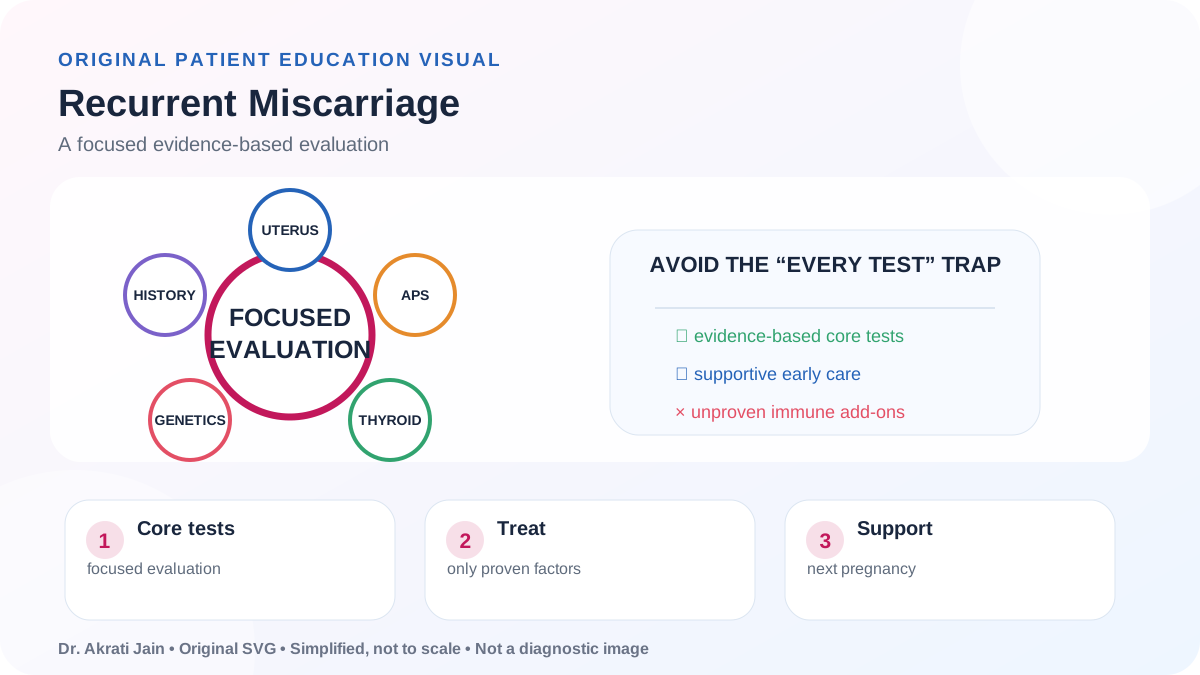
RCOG Green-top Guideline No. 17 (2023)
The 2023 RCOG guideline distinguishes evidence-based evaluation from broad unproven immune or thrombophilia testing.
- Testing for antiphospholipid antibodies requires correctly timed repeat confirmation before diagnosing antiphospholipid syndrome.
- Assessment of uterine anatomy is recommended, with the imaging method chosen according to local expertise and findings.
- Routine inherited thrombophilia, natural-killer-cell, cytokine or HLA testing is not supported for unexplained recurrent early miscarriage.
- When no cause is found, prognosis should be discussed using age and pregnancy history, alongside access to early scans and compassionate continuity of care.
Possible contributors
Most early miscarriages are related to sporadic chromosome errors in the embryo, with risk increasing with maternal age. Other recognised contributors include antiphospholipid syndrome, certain uterine anomalies, poorly controlled thyroid disease and parental chromosome rearrangements in a small minority.
Lifestyle factors such as smoking, high alcohol intake, very high caffeine intake and markedly low or high body weight may affect risk, but miscarriage should never be framed as personal blame.
A focused evaluation
Review includes the gestation and documentation of each loss, previous live births, medical and family history, medicines and menstrual pattern. Tests may include antiphospholipid antibodies, thyroid function and uterine imaging.
Genetic testing of pregnancy tissue or parental karyotyping is selective, often guided by the pattern of losses and available results.
Treatments with evidence
Confirmed antiphospholipid syndrome may be treated in pregnancy with low-dose aspirin and heparin under specialist care. Significant uterine abnormalities may require tailored advice; surgery is not automatically beneficial for every finding.
Progesterone has a role for some patients with early pregnancy bleeding and previous miscarriage, but is not a universal treatment for all recurrent miscarriage.
Planning the next pregnancy
Optimise chronic conditions and folic acid before conception. Arrange a clear contact plan, early location/viability ultrasound and psychological support.
If another loss occurs, ask whether tissue testing is appropriate and request a follow-up discussion rather than leaving questions unanswered.
High-value versus low-value investigation
High-value core tests
Uterine anatomy, antiphospholipid antibodies and thyroid status are commonly central to evidence-based evaluation.
Selective genetics
Pregnancy-tissue or parental chromosome testing can be useful in the right context, not as an automatic panel for everyone.
Avoid unproven add-ons
Expensive immune panels and empirical treatments can create cost and risk without proven improvement in live birth.