Early and regular prenatal care supports the health of the pregnant patient and developing baby. The schedule and tests should be tailored to medical history, pregnancy risk and individual needs.
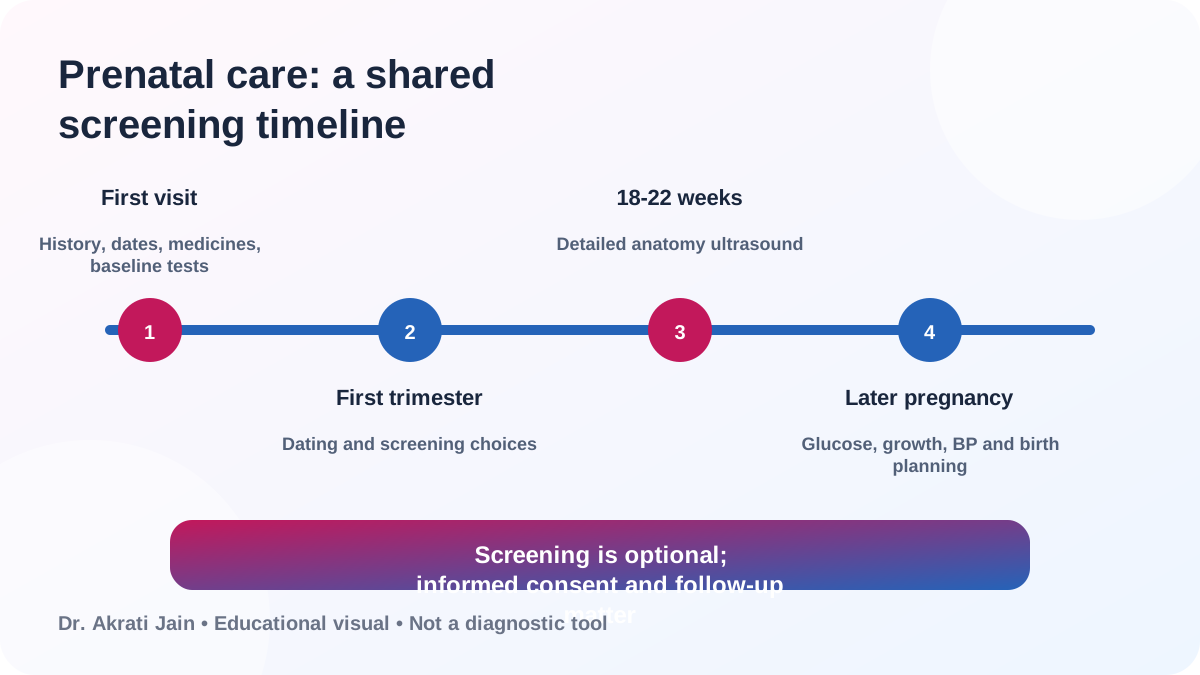
2026 prenatal screening update: informed choice for every pregnancy
The first visit should establish medical safety, pregnancy dating, medication review, and a shared plan for screening—not simply order a fixed bundle of tests.
- Bring the first day of the last menstrual period, previous pregnancy records, medical and surgical history, vaccination records, and a complete list of medicines and supplements.
- ACOG now recommends that cell-free DNA screening for common trisomies be routinely available to all obstetric patients after counselling; it remains a screening test, not a diagnosis.
- Every patient has the right to accept or decline screening or diagnostic testing after discussing benefits, limitations, timing, and possible next steps.
- A detailed anatomy ultrasound is generally offered in the second trimester, ideally around 18–22 weeks, regardless of the genetic screening method chosen.
The first consultation
The first visit usually reviews the date of the last menstrual period, past pregnancies, medical and surgical history, medicines, allergies, vaccinations, family history and current symptoms.
Depending on gestation and clinical needs, the visit may include examination, blood pressure, laboratory tests, screening discussions and ultrasound planning.
Tailored prenatal care
Not every pregnancy needs the same visit schedule. Additional monitoring may be advised for hypertension, diabetes, thyroid disease, multiple pregnancy, previous pregnancy complications, age-related risk or concerns about fetal growth.
Some counselling can be delivered remotely, but examinations, blood tests, ultrasound and specific assessments require in-person care.
Questions worth asking
Ask about supplements, safe exercise, nutrition, travel, vaccination, medicines, genetic screening, ultrasound timing, warning signs and how to contact the clinical team between visits.
Preparing for each visit
Keep reports together, note symptoms and questions, and bring glucose or blood-pressure records if requested. Tell the clinician promptly about new medicines, emergency visits or significant symptoms.