Preeclampsia is a serious disorder involving high blood pressure and possible injury to organs. It usually develops after 20 weeks of pregnancy but can also occur after delivery.
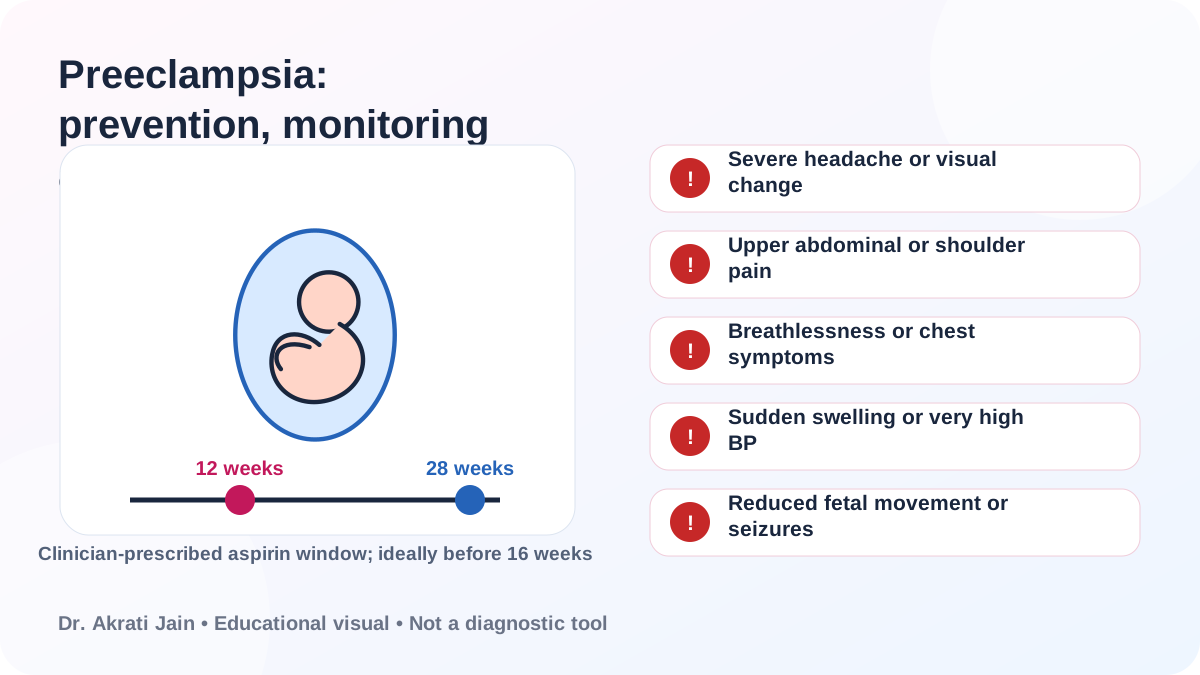
Preeclampsia may be silent: blood pressure and symptoms both matter
Some people feel well despite significant hypertension, while others develop severe warning symptoms. Routine checks and urgent symptom recognition are both essential.
- Assessment may include repeat blood-pressure measurement, urine protein testing, blood tests, symptom review, and fetal assessment.
- Severe or persistent headache, visual disturbance, upper abdominal or shoulder pain, breathlessness, seizures, sudden swelling, or reduced fetal movement requires urgent assessment.
- For people at increased risk, clinicians may recommend low-dose aspirin between 12 and 28 weeks, ideally before 16 weeks. Do not begin aspirin without medical advice.
- High blood pressure can first appear after birth. Postpartum symptoms and home readings should be taken seriously for up to 6 weeks and sometimes longer.
Who may be at higher risk
Risk may be higher with previous preeclampsia, chronic hypertension, kidney disease, diabetes, autoimmune disease, multiple pregnancy or a combination of moderate risk factors.
A clinician may recommend additional monitoring or preventive measures for selected patients.
Possible warning symptoms
Symptoms may include a headache that does not settle, visual changes, swelling of the face or hands, pain in the upper abdomen or shoulder, sudden breathlessness, nausea or vomiting later in pregnancy, or sudden rapid swelling.
Some people have no symptoms, so normal attendance for blood-pressure and urine checks remains important.
How it is evaluated
Evaluation may include repeat blood-pressure measurements, urine testing, blood tests for kidney, liver and platelet function, and monitoring of fetal growth and well-being.
Treatment planning
Management depends on gestational age, blood pressure, laboratory findings, symptoms and fetal condition. Hospital observation, medication or delivery may be required in some situations.
How risk changes the pregnancy plan
Diagnosis is more than one blood-pressure reading
Repeated measurements, urine protein, blood tests, symptoms and fetal growth are considered together. Severe disease can exist even when some features are absent.
Surveillance has two patients
The plan monitors maternal blood pressure, organ function and symptoms while also assessing fetal growth, fluid and wellbeing.
Birth is the definitive treatment
Timing balances maternal deterioration, fetal condition and gestation. Blood-pressure and seizure-prevention medicines stabilise risk but do not remove the underlying placental condition.