Postpartum haemorrhage (PPH) is heavier-than-expected bleeding after birth. It can occur immediately or days to weeks later. Rapid recognition, coordinated treatment and respectful communication are essential.
WHO consolidated PPH guidance published in 2026
The 2026 WHO consolidated framework emphasises prevention, early objective recognition, bundled first-response treatment and escalation without delay.
- Risk assessment and correction of antenatal anaemia improve resilience, but many PPH events occur without a known risk factor.
- Active management of the third stage and a uterotonic after birth reduce primary PPH risk.
- When heavy bleeding begins, uterine massage, uterotonics, intravenous access, fluids, tranexamic acid where indicated and examination for the cause occur rapidly and often in parallel.
- After recovery, patients need anaemia treatment, thrombosis assessment, emotional debriefing and a documented plan for future birth.
Primary and secondary PPH
Primary PPH is traditionally defined as at least 500 mL within 24 hours, with major PPH above 1000 mL, but clinical condition matters more than a number alone. Ongoing rapid loss, shock or symptoms require treatment regardless of the estimate.
Secondary PPH occurs from 24 hours to 12 weeks and is often associated with uterine infection or retained placental tissue.
The 4 Ts
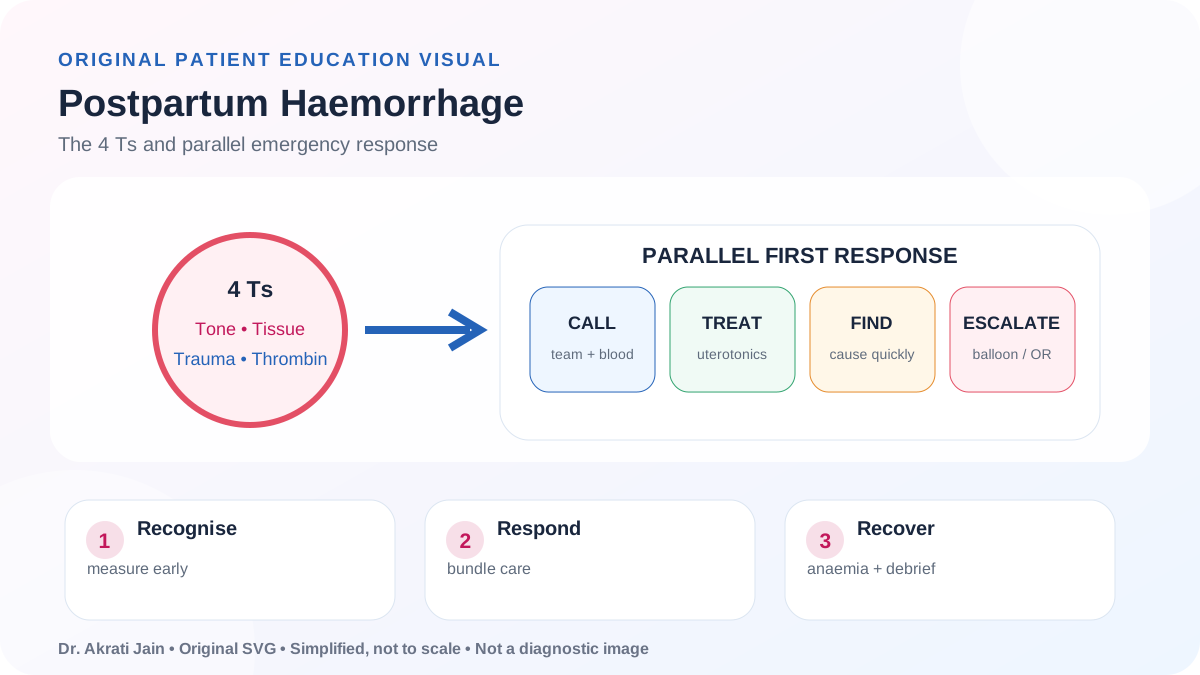
Tone: the uterus does not contract effectively. Tissue: placenta or membranes remain. Trauma: tears, uterine incision or rupture bleed. Thrombin: clotting is impaired. More than one cause may coexist.
Risk factors include previa or accreta, multiple pregnancy, prolonged labour, induction, operative birth, anaemia and previous PPH, but absence of risk factors is not reassuring enough to delay action.
Emergency treatment
The team calls for help, measures blood loss, assesses circulation, gives oxygen if needed, inserts intravenous lines and takes blood. Uterine massage and uterotonic medicines are used for atony; tears are repaired and retained tissue removed.
If bleeding continues, treatment may include a uterine balloon, compression sutures, uterine or pelvic-artery procedures, embolisation or hysterectomy. Blood products are guided by loss, symptoms and laboratory or point-of-care clotting assessment.
Recovery and future birth
Anaemia can cause severe fatigue, dizziness and breathlessness. Iron or transfusion is offered according to symptoms and blood results. Breastfeeding can usually continue with support.
A debrief should explain the cause, treatments and recurrence plan. Future delivery is generally planned in a consultant-led unit with blood-bank access, antenatal haemoglobin optimisation and active third-stage management.
The 4 Ts organise a fast response
Tone
Uterine atony is the most common cause; massage and uterotonic medicines are first-line.
Tissue and Trauma
Retained placenta or genital-tract injury requires examination and direct treatment.
Thrombin
Clotting disturbance may be both a cause and consequence of severe bleeding and needs blood-product support.