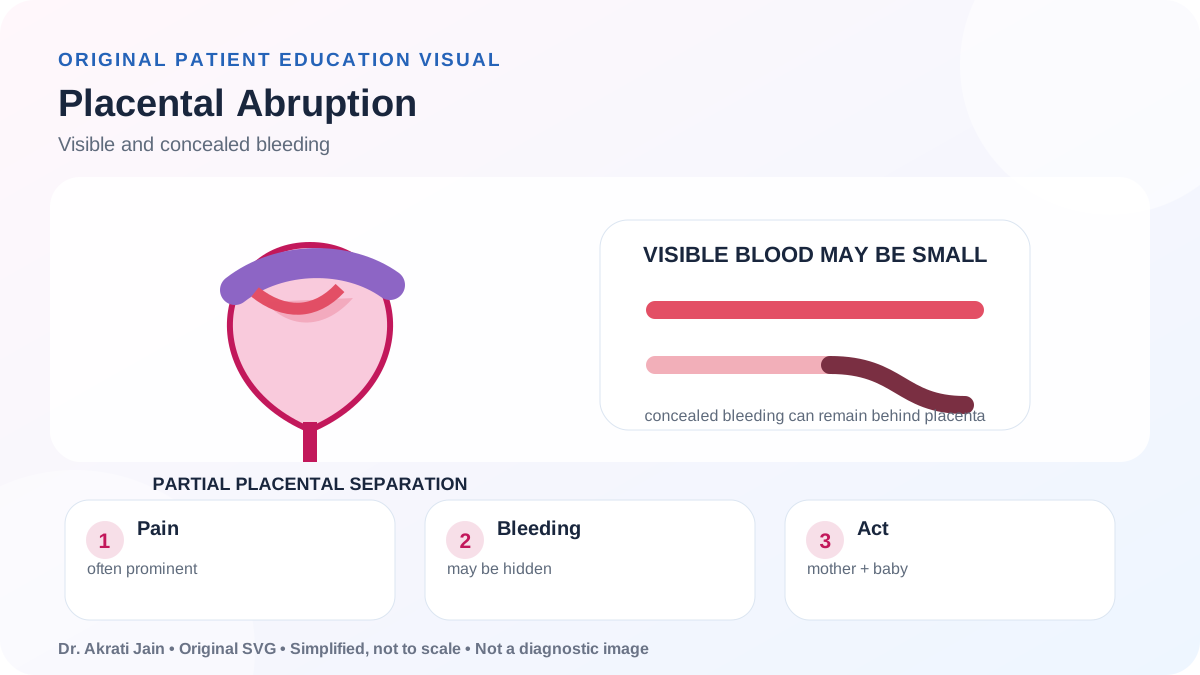
Placental abruption is separation of the placenta from the uterine wall before birth. It can reduce oxygen delivery to the baby and cause major maternal bleeding. Vaginal blood loss may underestimate severity because bleeding can remain trapped behind the placenta.
Current emergency-assessment principles
RCOG antepartum-haemorrhage guidance and current NICE intrapartum guidance treat suspected abruption as a time-critical maternal and fetal problem.
- Assessment includes vital signs, abdominal examination, blood count, blood group, clotting tests when indicated and continuous fetal monitoring at viable gestations.
- Placenta previa should be excluded before a digital vaginal examination in significant later-pregnancy bleeding.
- The amount of visible blood does not reliably reflect internal blood loss or placental separation.
- Persistent fetal bradycardia or maternal instability may require immediate expedited birth and haemorrhage management.
Symptoms and risk factors
Symptoms can include painful bleeding, constant abdominal pain, back pain, a hard or tender uterus, frequent contractions and reduced fetal movement. Some abruptions have little or no visible bleeding.
Risk is increased by hypertension or pre-eclampsia, smoking, cocaine use, abdominal trauma, previous abruption, multiple pregnancy and sudden uterine decompression, but many cases are unpredictable.
Hospital assessment
The first priority is maternal stability: circulation, intravenous access and blood tests. Fetal heart monitoring evaluates immediate compromise. Ultrasound may show a clot but can be normal.
The team also considers placenta previa, labour, uterine rupture, vasa previa and non-obstetric causes of pain or bleeding.
Management
If the mother and baby are stable and gestation is preterm, close observation may be possible in selected mild cases. Worsening pain, bleeding, clotting abnormality, maternal instability or fetal compromise changes the threshold for birth.
Mode of birth depends on urgency, fetal status, labour progress and maternal condition. Vaginal birth can be appropriate when birth is imminent and the fetal trace is reassuring; caesarean may be needed for acute compromise.
Aftercare and future pregnancy
Abruption can be traumatic and may be associated with anaemia, transfusion, preterm birth or neonatal care. A postnatal debrief and blood-pressure review are useful.
Future pregnancy care includes early risk assessment, optimisation of blood pressure, smoking cessation and a personalised surveillance plan. Recurrence risk is higher than baseline but recurrence is not inevitable.
Why the visible bleeding can mislead
Revealed bleeding
Blood exits through the cervix and is visible.
Concealed bleeding
Blood collects behind the placenta, so pain and maternal observations may be more concerning than vaginal loss.
Mixed bleeding
Both concealed and visible bleeding occur; repeated clinical reassessment is essential.