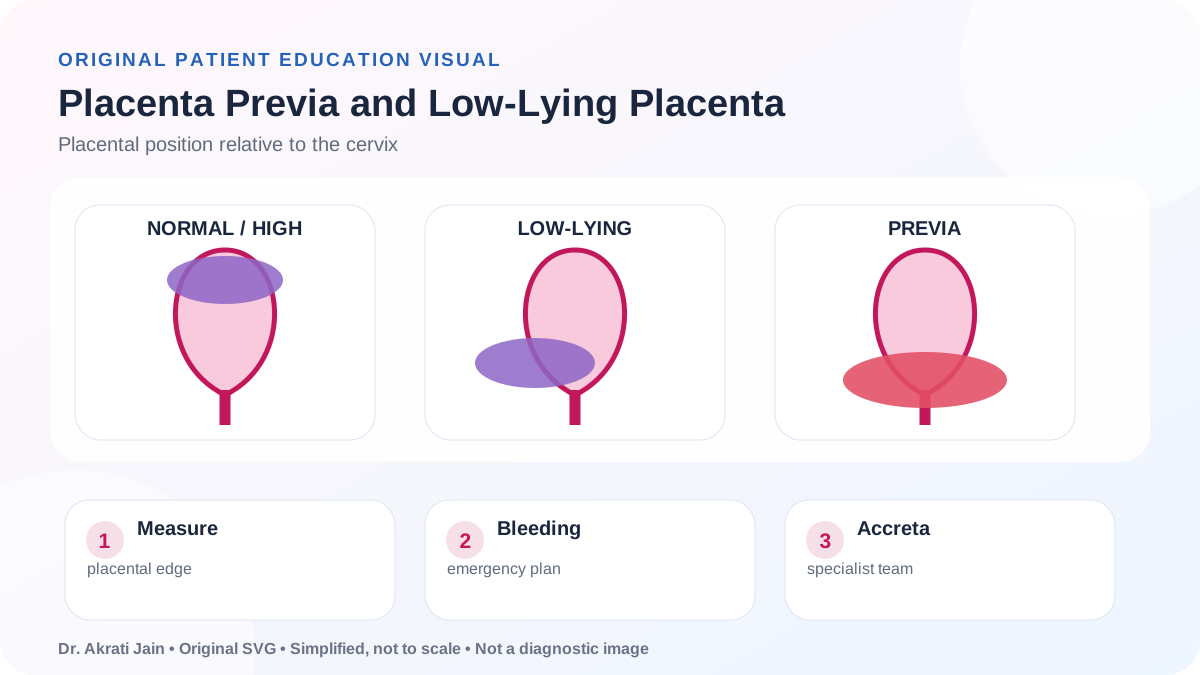
A low-lying placenta is close to the cervix; placenta previa covers the cervix. Many low placentas seen at the mid-pregnancy scan move away as the uterus grows, but persistent previa can cause sudden painless bleeding and usually changes the birth plan.
RCOG 2026 placenta previa and accreta guideline
The updated RCOG Green-top 27a highlights accurate antenatal diagnosis, specialist planning and the higher risk when previa and accreta coexist.
- A low placenta at the anomaly scan is rechecked later because most move clear of the cervix.
- Transvaginal ultrasound is the preferred method to measure the placental edge accurately.
- Persistent placenta previa generally requires planned caesarean birth, with timing tailored to bleeding history and individual risk.
- Suspected placenta accreta spectrum should be managed in a centre with experienced multidisciplinary teams, blood-bank support and a documented haemorrhage plan.
Definitions and follow-up
Placenta previa covers the internal cervical opening. A low-lying placenta is close to it but does not cover it. The exact distance is reported on ultrasound and interpreted with gestation.
A repeat scan is commonly arranged in the third trimester. If the placenta remains low, another scan may refine the plan closer to birth.
Bleeding and hospital planning
Bleeding is often painless, can be sudden and may recur. Patients should know which hospital to attend, have transport plans and avoid delays. Admission may be advised after bleeding depending on gestation, distance from hospital and severity.
Blood count, blood group and anaemia treatment are important. Intercourse, travel or work restrictions are individualised rather than automatically applied to everyone.
Placenta accreta spectrum
Accreta spectrum means the placenta is abnormally attached into the uterine wall. Risk rises with placenta previa over a previous caesarean scar and with increasing numbers of caesareans.
Ultrasound is the main screening tool; MRI is reserved for selected cases. Planned birth may involve a caesarean hysterectomy with the placenta left in place, although individual approaches vary.
Planning birth
If the placenta remains over the cervix, vaginal birth is unsafe. Planned caesarean timing is based on symptoms and findings, with earlier delivery if recurrent bleeding or maternal/fetal concerns develop.
Antenatal corticosteroids may be discussed when preterm birth is likely. The hospital should have rapid access to blood products and senior obstetric, anaesthetic and neonatal care.
Three questions for the birth plan
How close is the placenta?
The measured placental edge and whether it covers the cervix determine whether vaginal birth is plausible.
Has bleeding occurred?
Recurrent or heavy bleeding may change admission and timing decisions.
Is accreta suspected?
Previous caesarean scars and abnormal ultrasound signs trigger specialist multidisciplinary planning.