PCOS is a hormonal and metabolic condition that may affect menstrual cycles, skin and hair, weight, fertility and long-term health. Symptoms vary considerably.
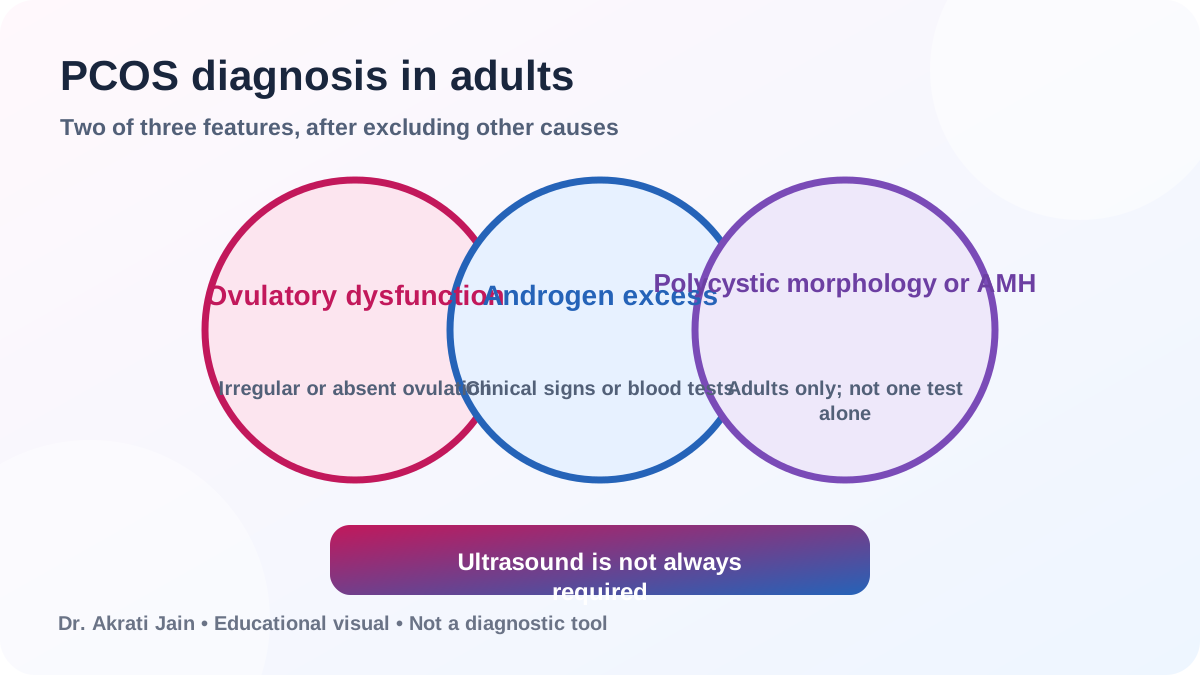
2023 international PCOS guideline: what changed
PCOS is diagnosed from a clinical pattern after excluding other causes; it is not diagnosed by a single ultrasound, AMH result, or symptom.
- In adults, diagnosis generally uses two of three features: ovulatory dysfunction, clinical or biochemical androgen excess, and polycystic ovarian morphology. Serum AMH may be used as an alternative to ultrasound for defining ovarian morphology in adults, but not as a stand-alone test.
- If irregular cycles and androgen excess are already present, an ovarian ultrasound is not required to make the diagnosis.
- Adolescent diagnosis needs extra caution. Ultrasound and AMH should not be used as diagnostic shortcuts in adolescents.
- Long-term care should include metabolic risk, sleep, emotional wellbeing, endometrial protection, fertility goals, and weight-stigma-aware counselling.
Common features
Features may include infrequent or unpredictable periods, heavy bleeding, acne, excess facial or body hair, scalp hair thinning, difficulty conceiving and signs of insulin resistance.
Not every person with PCOS has ovarian cysts, and ovarian cysts alone do not establish the diagnosis.
Assessment
Evaluation may include menstrual and symptom history, examination, pregnancy testing where relevant, hormone and metabolic blood tests, and ultrasound in selected patients.
Other causes of irregular periods or androgen symptoms should be considered.
Management
Treatment may include sustainable nutrition and activity changes, cycle regulation, treatment for acne or excess hair, metabolic risk reduction, and fertility-focused therapy when pregnancy is desired.
The best plan depends on current symptoms and priorities rather than a one-size-fits-all programme.
Long-term health
Periodic assessment for blood pressure, glucose abnormalities, cholesterol, sleep concerns and emotional wellbeing may be appropriate. Regular withdrawal bleeding or cycle management may be advised to protect the uterine lining.
Long-term PCOS management
Diagnosis is a pattern, not one scan
PCOS is diagnosed from a combination of ovulatory dysfunction, androgen excess and polycystic ovarian morphology after excluding important alternatives. An ultrasound appearance alone is not enough.
Endometrial protection
Long gaps between periods can allow the uterine lining to remain stimulated. The plan should include a safe bleeding pattern through cycle regulation or periodic progestogen when appropriate.
Metabolic follow-up
Blood pressure, glucose risk, lipids, sleep-apnoea symptoms and emotional wellbeing deserve periodic review. Weight-neutral care and realistic lifestyle goals are more useful than blame.