Ovarian reserve tests estimate the remaining pool of recruitable follicles and help plan fertility treatment. They do not directly measure egg quality, guarantee natural fertility or accurately predict the exact age of menopause for an individual.
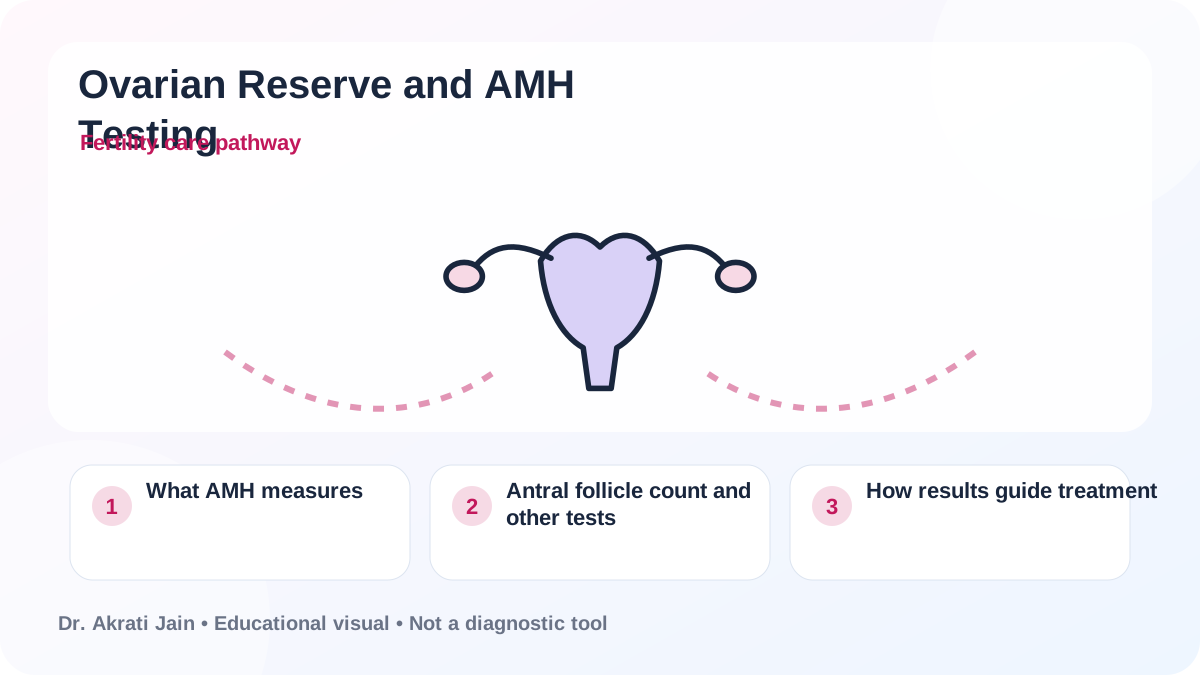
What AMH measures
Anti-Müllerian hormone is produced by small ovarian follicles. Levels vary between laboratories and can be influenced by factors such as hormonal contraception, ovarian surgery and some medical conditions. A low result does not mean zero eggs, while a high result can occur with PCOS.
Antral follicle count and other tests
Ultrasound antral follicle count provides another estimate of recruitable follicles. Day-specific hormones may be used in some settings. No single test should be interpreted in isolation.
How results guide treatment
In IVF, reserve tests help estimate medication response and the risk of low response or hyperstimulation. They may influence urgency, counselling and protocol choice, but they do not reliably predict embryo chromosome status or live birth on their own.
When testing may mislead
Testing people without a clear clinical question can create unnecessary anxiety. A result should lead to a consultation that explains limitations, realistic options and whether trying naturally, earlier referral or fertility preservation is appropriate.
Questions worth discussing at your consultation
- What clinical decision will this AMH result change?
- How does my age alter its meaning?
- Should the result be repeated or combined with ultrasound?
- Does this suggest a need for earlier fertility treatment or preservation counselling?