This original patient guide supports an informed consultation and does not provide a diagnosis or individual treatment plan.
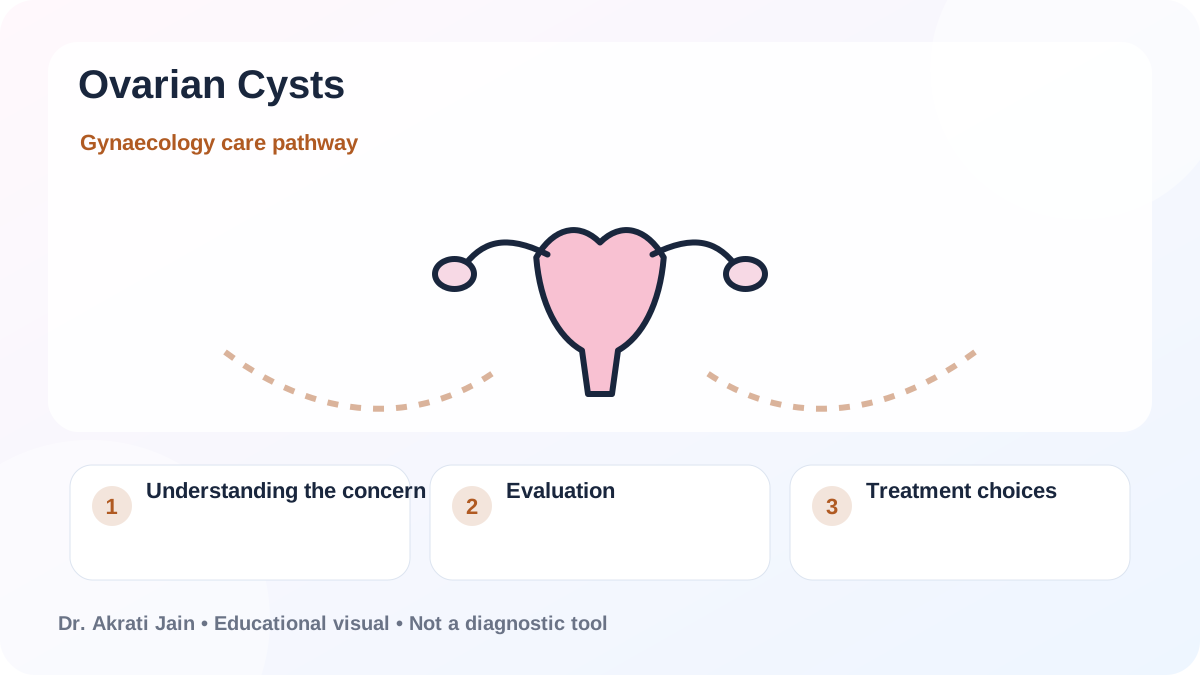
Understanding the concern
Ovarian Cysts may present differently from person to person. Symptoms, age, menstrual pattern, pregnancy plans and previous treatment all influence the evaluation.
Evaluation
A consultation may include symptom history, examination and selected blood tests or imaging. The aim is to identify likely causes while avoiding unnecessary tests.
Treatment choices
Options can include observation, lifestyle measures, medicines, physiotherapy or procedures. The best choice depends on symptom impact, clinical findings and personal goals.
Interpreting an ovarian cyst safely
Morphology matters
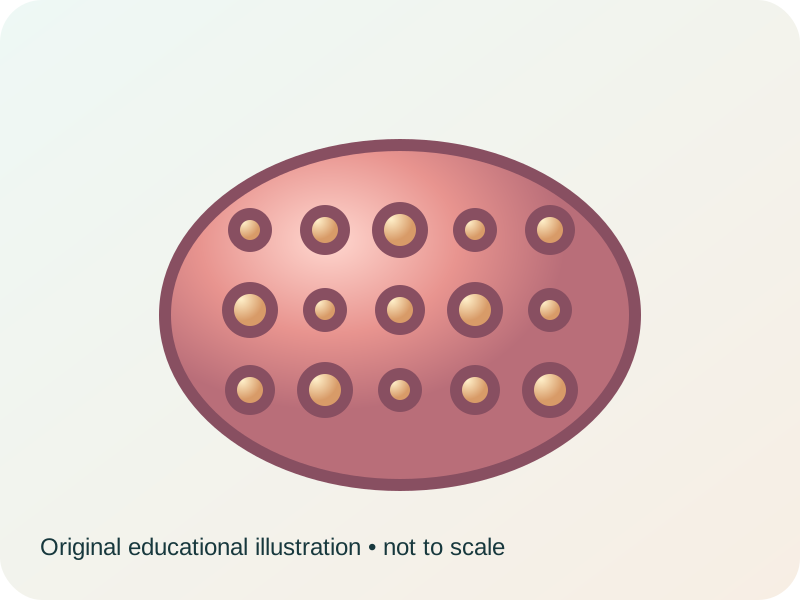
A cyst is assessed by size, wall, septations, solid areas, blood flow, symptoms and menopausal status. “Cyst” is a description, not a diagnosis.
Observation can be active management
Many simple cysts resolve. A defined follow-up interval avoids unnecessary surgery while ensuring that persistent or changing features are reviewed.
Surgery should protect ovarian function
When surgery is needed, the plan should consider cyst removal versus ovary removal, rupture risk, fertility goals and the surgeon’s ability to preserve healthy tissue.