Outpatient hysteroscopy uses a thin telescope passed through the cervix to inspect the uterine cavity. It may investigate bleeding, remove a small polyp, take a biopsy or retrieve an intrauterine device with missing threads.
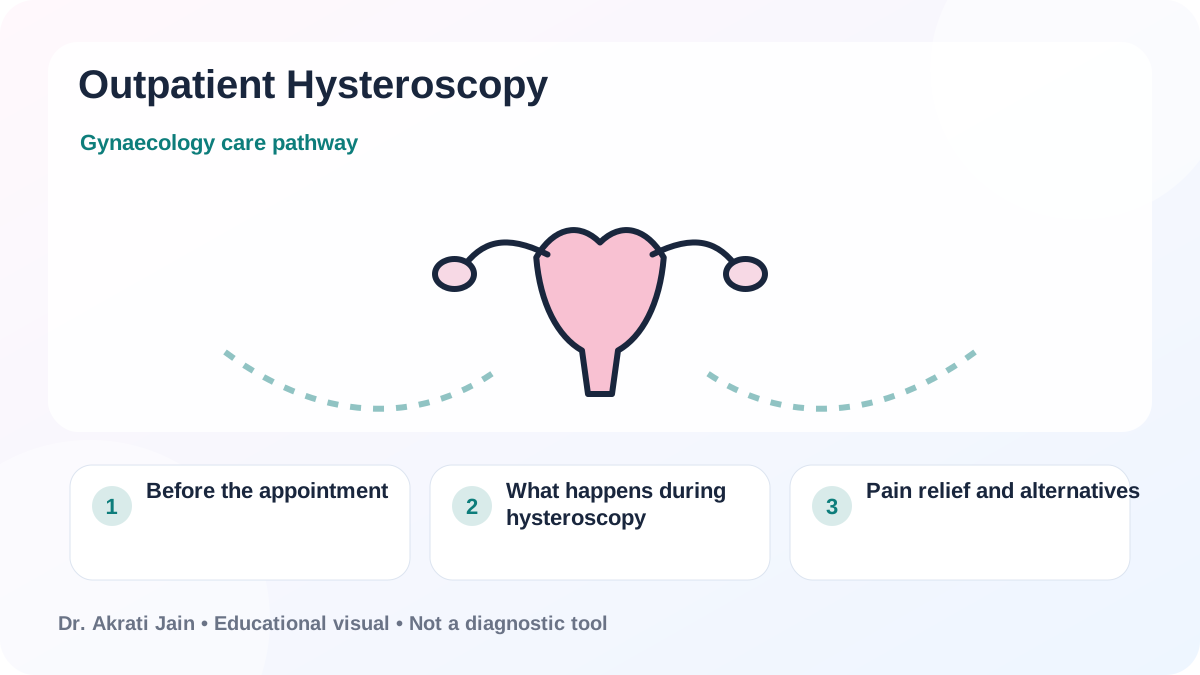
Before the appointment
The team should review pregnancy possibility, bleeding pattern, previous difficult examinations, trauma history, cervical procedures, allergies and pain concerns. Pre-procedure pain relief or another setting may be appropriate.
What happens during hysteroscopy
A narrow hysteroscope is passed through the cervix while fluid gently opens the cavity. A biopsy or small treatment may be performed. The clinician should communicate throughout and pause or stop if requested.
Pain relief and alternatives
Options may include oral analgesia, local anaesthetic, sedation or hysteroscopy under anaesthesia depending on the procedure, service and individual need. Ultrasound, endometrial biopsy or theatre hysteroscopy may be alternatives in some situations.
Results and recovery
Cramping and light bleeding are common for a short time. The expected timeframe for biopsy results and follow-up should be provided. Persistent severe pain, fever, offensive discharge or heavy bleeding requires review.
Questions worth discussing at your consultation
- Why is hysteroscopy preferred over an ultrasound or biopsy alone?
- What pain-relief choices are available?
- Can I stop the procedure if pain is unacceptable?
- When and how will I receive results?