Miscarriage is pregnancy loss before viability. It is common, usually not caused by anything the patient did, and can have a significant emotional impact. A secure diagnosis and a choice-sensitive care plan are central.
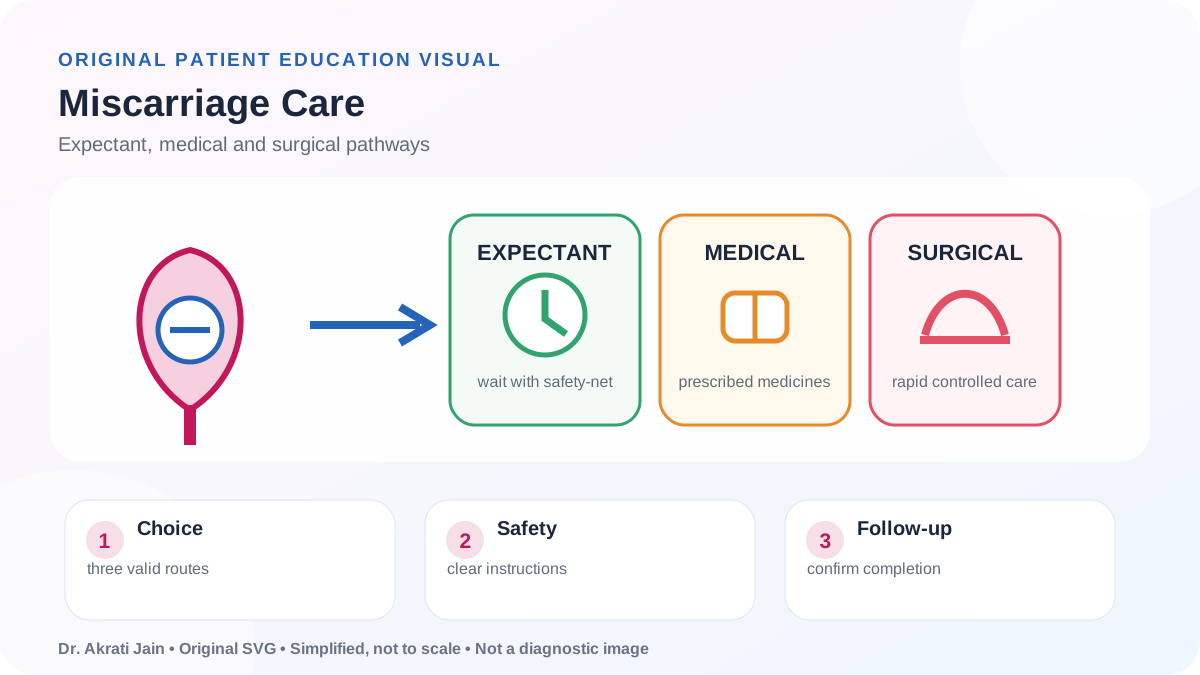
NICE miscarriage management: important current points
NICE NG126 includes 2023 medical-management changes and a June 2026 update to anti-D recommendations.
- Expectant management for 7–14 days is commonly offered first when it is clinically safe and acceptable, with clear instructions about bleeding, pain and emergency contact.
- For missed miscarriage, NICE recommends a mifepristone–misoprostol regimen; medication protocols and licensing vary by country and must be prescribed locally.
- A home urine pregnancy test at about 3 weeks is often used after expectant or medical management; a positive result or persistent symptoms needs review.
- Anti-D prophylaxis should follow the current 2026 gestation- and procedure-specific guideline and local protocol.
Confirming the diagnosis
Ultrasound findings are interpreted using crown–rump length, gestational-sac measurements and the presence or absence of cardiac activity. If measurements are below diagnostic thresholds, a repeat scan is arranged.
When a previous scan never confirmed an intrauterine pregnancy, follow-up must also exclude pregnancy of unknown location or ectopic pregnancy.
Expectant management
The body passes the pregnancy tissue naturally. Bleeding and cramping can be heavier than a period. Most patients do not need further intervention, but timing is unpredictable and some later choose medication or surgery.
It may be unsuitable with infection, heavy bleeding risk, significant anaemia, certain medical conditions or when waiting would be emotionally unacceptable.
Medical and surgical care
Medical management uses prescribed medicines to help the uterus empty. Patients need pain relief, anti-sickness treatment when needed, written expectations and emergency instructions.
Surgical management provides the quickest predictable completion and may be recommended for heavy bleeding, infection, instability or failed prior treatment. Options include manual vacuum aspiration under local anaesthesia or theatre management depending on services and circumstances.
Aftercare and emotional support
Bleeding should gradually reduce. Seek review for fever, offensive discharge, worsening pain, persistent heavy bleeding or a positive pregnancy test at the advised follow-up.
Grief responses vary. Partners may also need support. Most early miscarriages are sporadic and do not mean that future pregnancy is unlikely to succeed.
Comparing the three pathways
Expectant
Avoids medication and surgery but timing is uncertain and follow-up remains important.
Medical
More predictable than waiting and avoids an operation, but pain and bleeding occur at home or in a planned setting.
Surgical
Fastest and most controlled option, particularly when bleeding, infection or personal preference makes delay inappropriate.