This guide supports an informed consultation and is not a personalised diagnosis or treatment plan.
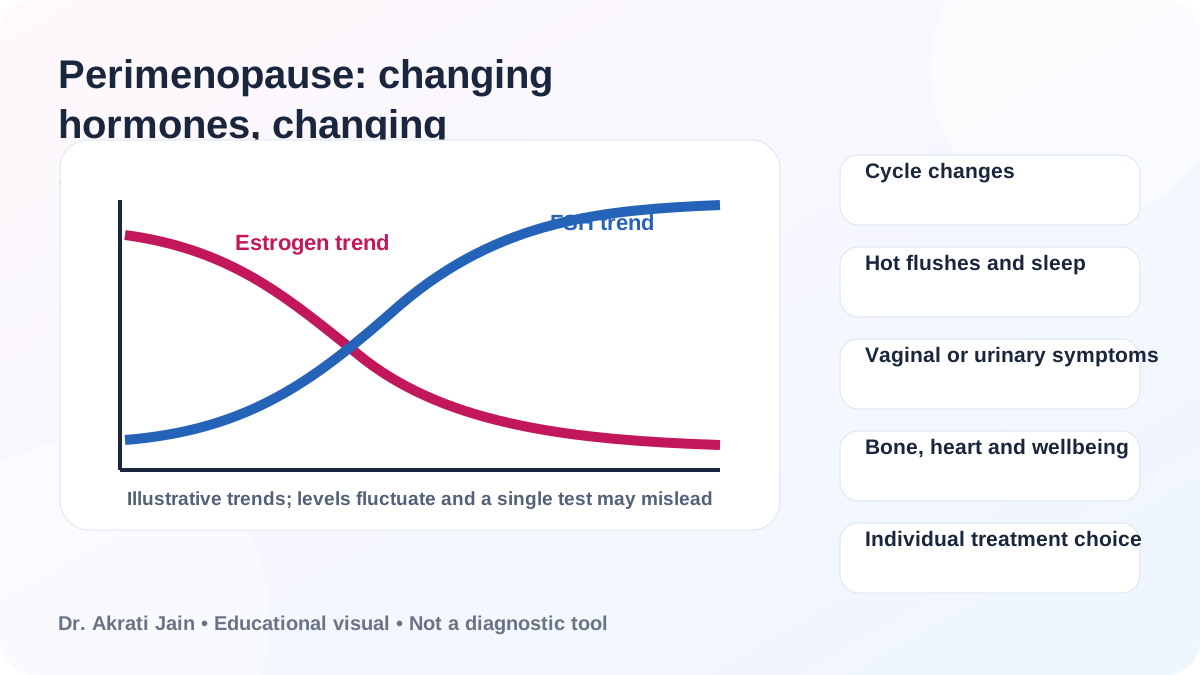
Menopause care should match symptoms, health risks, and personal priorities
For most people over 45 with typical symptoms, the diagnosis is clinical; a single hormone test rarely explains the whole transition.
- Systemic menopausal hormone therapy is the most effective treatment for hot flushes and night sweats when benefits outweigh individual risks.
- If the uterus is present, systemic estrogen usually needs progestogen to protect the endometrium. Low-dose local vaginal estrogen may be considered for isolated vaginal or urinary symptoms.
- Non-hormonal prescription options and practical measures are available when hormone therapy is unsuitable or not preferred.
- Any bleeding after 12 months without periods should be assessed rather than assumed to be part of menopause.
What changes
Perimenopause may involve irregular cycles, hot flushes, sleep disturbance, mood changes and vaginal or urinary symptoms.
Assessment
Symptoms and age often guide diagnosis, but testing may be needed when symptoms are atypical, occur early or another condition is possible.
Treatment choices
Options may include lifestyle measures, non-hormonal medicines, vaginal treatments or menopausal hormone therapy after individual benefit-risk assessment.
A personalised menopause consultation
Symptoms and risk profile
Vasomotor, sleep, mood, sexual, urinary and musculoskeletal symptoms are considered alongside cardiovascular, bone, breast and clotting history.
HRT is not one treatment
Choice of oestrogen route, dose and progestogen depends on the uterus, bleeding pattern, migraine, thrombosis risk and preference. Review is essential after starting or changing therapy.
Long-term health
Bone health, physical activity, blood pressure, lipids, smoking and alcohol remain relevant whether or not hormone therapy is used.