Intrahepatic cholestasis of pregnancy (ICP) is a pregnancy-specific liver disorder that commonly causes intense itching without a primary rash. Diagnosis is based on symptoms and blood tests, especially bile acids, after considering other causes.
RCOG ICP guidance updated April 2026
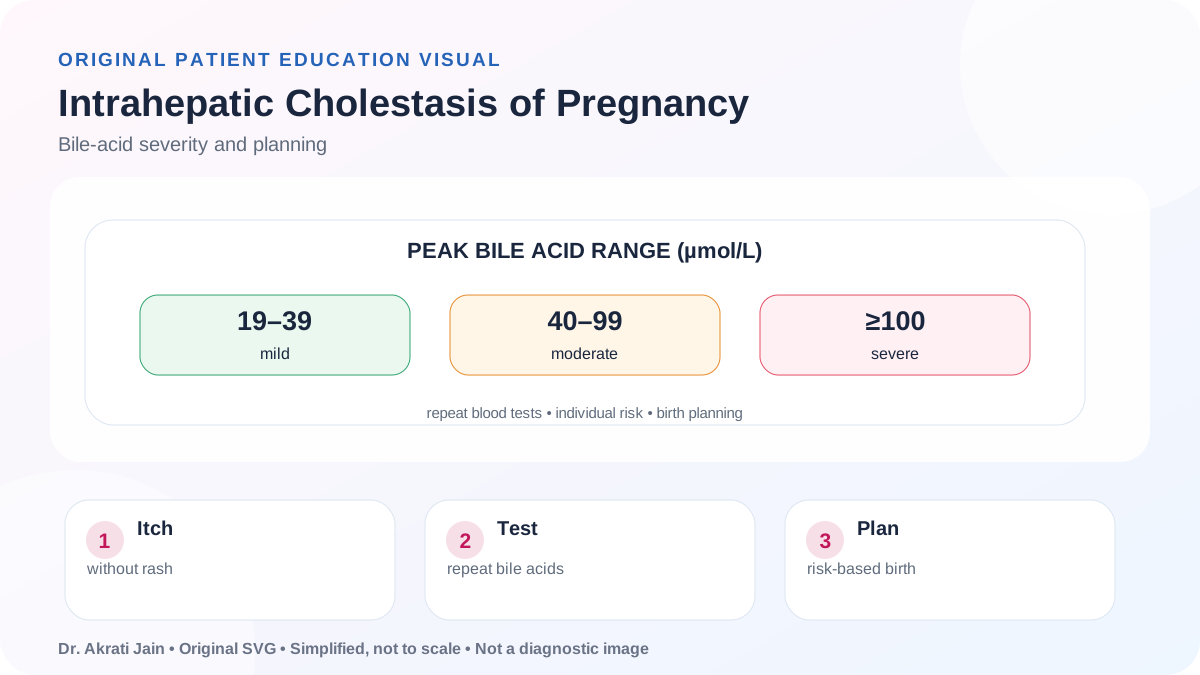
RCOG classifies ICP by peak bile acids and uses severity plus coexisting risk factors to frame stillbirth risk and timing discussions.
- Mild ICP is generally defined as peak bile acids 19–39 micromol/L, moderate as 40–99 and severe as 100 or more.
- Only severe ICP has a clearly increased stillbirth risk in otherwise uncomplicated singleton pregnancy; other conditions can add risk at lower levels.
- Bile acids and liver tests are repeated because levels can change. Fetal movement awareness remains essential; standard monitoring cannot predict every sudden event.
- Symptoms and blood tests should resolve after birth. Persistent abnormalities require follow-up for another liver diagnosis.
Symptoms and diagnosis
The hallmark is itch without an underlying rash, although scratching can cause skin marks. It may start on palms and soles and often worsens at night. Dark urine, pale stools or jaundice are less common and need assessment.
Bile acids and liver-function tests are checked. Other causes such as viral hepatitis, gallstones, medication reactions and skin conditions may need evaluation.
What the level means
Risk is not determined by one arbitrary positive result. The peak bile-acid concentration, gestation, singleton or multiple pregnancy, diabetes, pre-eclampsia and other factors contribute to the plan.
Levels can rise after symptoms begin, so repeat blood tests are important when itching continues despite an initially normal result.
Treatment and symptom relief
Ursodeoxycholic acid may improve itching for some patients, but it does not eliminate all fetal risk. Emollients, cool baths, loose clothing and selected antihistamines may support comfort or sleep.
Vitamin K is not routinely required for everyone; it is considered when clotting or fat-soluble-vitamin concerns exist.
Birth and postnatal follow-up
Timing of birth is discussed using bile-acid severity and individual risk. Continuous fetal monitoring may be advised in labour depending on severity and circumstances.
Itching usually improves after birth. Repeat liver tests and bile acids are checked postnatally; ongoing abnormality needs medical or liver-specialist review. ICP often recurs in future pregnancy.
Risk bands are a discussion tool
19–39 µmol/L
Mild biochemical range; timing depends on the full clinical picture.
40–99 µmol/L
Moderate range; closer review and an individual birth plan are usually discussed.
≥100 µmol/L
Severe ICP; associated with higher fetal risk and commonly leads to earlier planned birth.