Hysterectomy removes the uterus and can be performed vaginally, laparoscopically or through an abdominal incision. Recovery and risks vary with the route, the reason for surgery and whether the cervix, ovaries or tubes are also removed.
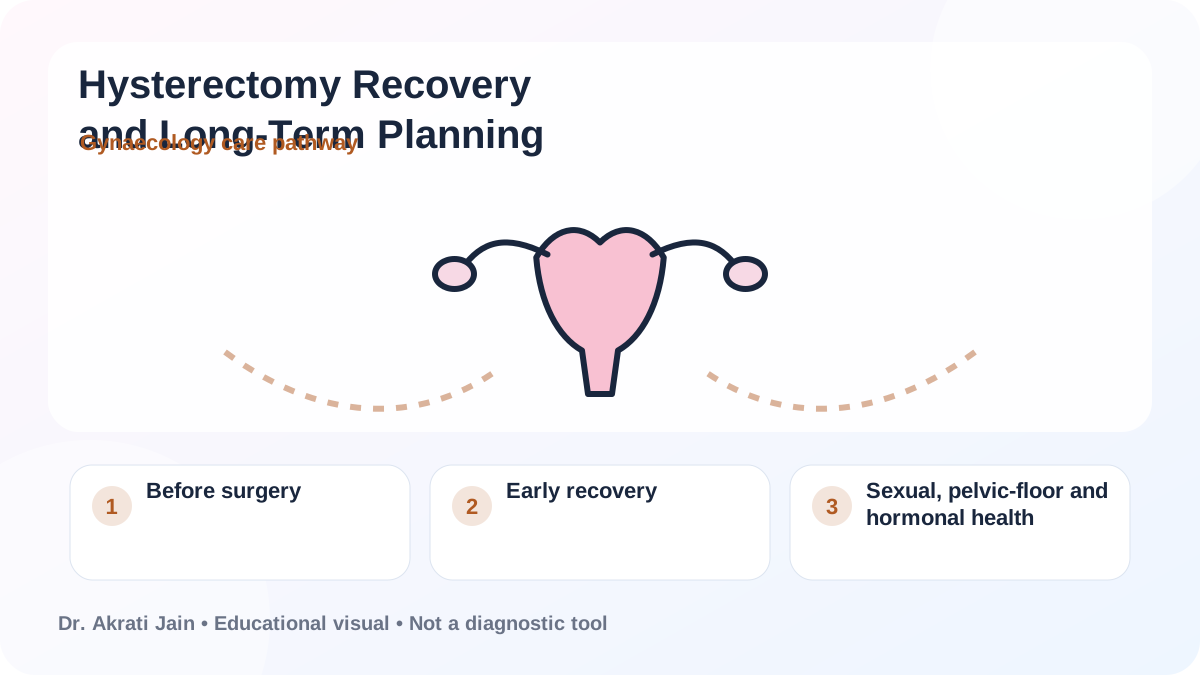
Before surgery
Preoperative review may include blood tests, anaemia treatment, medication planning, thrombosis risk, cervical-screening history and discussion of alternatives. Patients should understand the expected route and circumstances that might require conversion to another approach.
Early recovery
Pain relief, mobilisation, bladder and bowel function and wound or vaginal bleeding are monitored. Recovery is progressive rather than based on a single restriction date. Heavy lifting and high-impact activity are reintroduced according to healing and the surgeon’s advice.
Sexual, pelvic-floor and hormonal health
Temporary vaginal dryness, altered sensation or anxiety about intercourse can occur. Pelvic-floor rehabilitation may help. If ovaries are removed, menopausal symptoms and suitability for hormone therapy should be addressed proactively.
Pathology and longer-term follow-up
The final pathology result should be explained. Ongoing cervical screening depends on whether the cervix remains and the reason for surgery. New bleeding after full healing, persistent pain or urinary and bowel symptoms require review.
Questions worth discussing at your consultation
- Which route and organ-removal plan is recommended?
- What alternatives remain reasonable?
- How will ovary removal affect menopause and long-term health?
- What is the expected timeline for work, driving, exercise and sex?