Hyperemesis gravidarum is the severe end of nausea and vomiting in pregnancy. It can cause dehydration, electrolyte disturbance, weight loss, nutritional deficiency and major disruption to daily life. It deserves active treatment rather than dismissal as ordinary morning sickness.
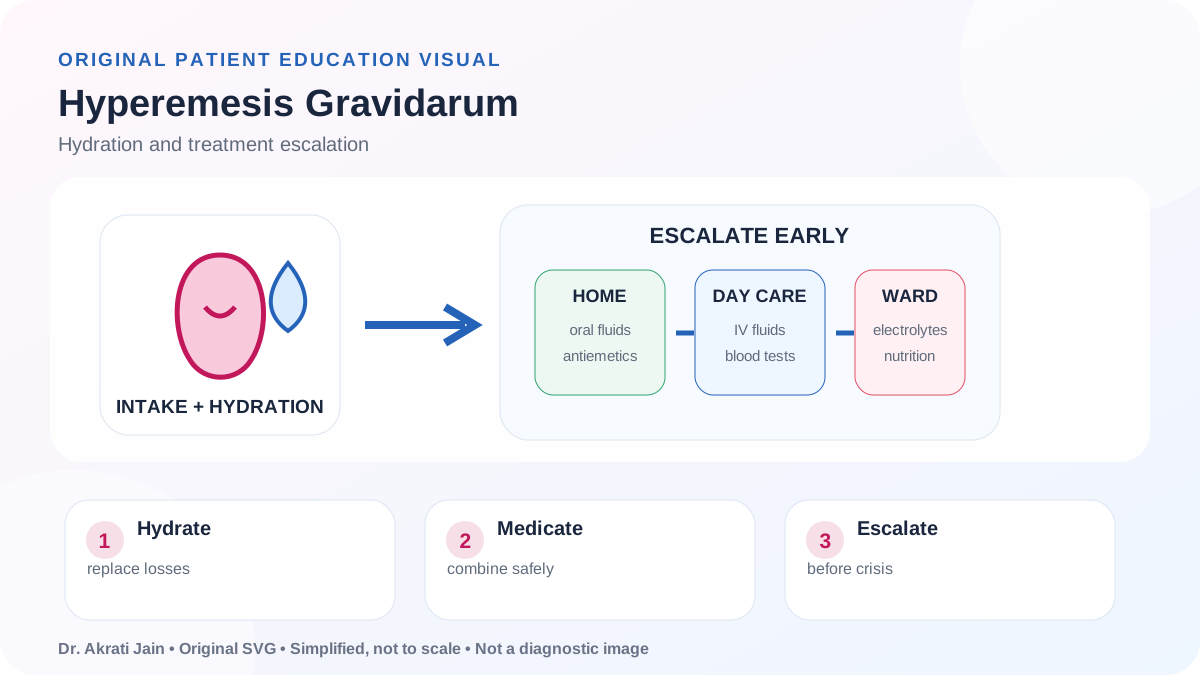
RCOG pregnancy-sickness guidance: treatment should escalate early
Current RCOG information emphasises the physical and psychological burden of hyperemesis and the safety of appropriate antiemetic treatment.
- Outpatient or ambulatory intravenous fluids can prevent admission for some patients, while others need hospital care.
- Thiamine is important before dextrose-containing fluids in prolonged vomiting to reduce the risk of neurological injury.
- Treatment may require antiemetic combinations, acid suppression, thrombosis prevention and nutrition support according to severity.
- Symptoms commonly improve by 20 weeks but may persist longer; repeated assessment is needed when intake or weight remains poor.
Assessment and alternative causes
Assessment includes the duration and severity of symptoms, weight change, hydration, urine output, medications and ability to function. Blood and urine tests may check electrolytes, kidney function, ketones, infection and thyroid or liver abnormalities when indicated.
Clinicians also consider multiple pregnancy, molar pregnancy, urinary infection, gastrointestinal disease, migraine, medication effects and other causes when symptoms are atypical or begin later.
Fluid and nutritional treatment
Oral rehydration is attempted when possible. Intravenous normal saline with electrolyte replacement is commonly used when dehydration is significant. Thiamine supplementation is important in prolonged vomiting, especially before glucose-containing fluids.
Small tolerable foods are preferable to forcing a perfect diet. Dietitian support and enteral or parenteral nutrition are reserved for severe refractory cases.
Anti-sickness medicines
Treatment is individualised and may use antihistamines, phenothiazines, dopamine antagonists, ondansetron or other agents according to local guidance, gestation, prior response and side effects. Different drug classes are often combined when one medicine is insufficient.
Do not stop prescribed treatment abruptly because of internet fear. Discuss benefits and risks with the treating clinician.
Mental health and ongoing care
Hyperemesis can cause isolation, anxiety, depression and trauma. Ask directly for mental-health support and practical documentation for work or family needs.
A relapse plan should state which medicines to restart, where ambulatory fluids are available and when to attend hospital.
Escalation ladder
Home treatment
Early oral antiemetics, hydration strategies, rest and follow-up when intake remains adequate.
Ambulatory care
Intravenous fluids, injectable or intravenous medicines and blood-test review without necessarily staying overnight.
Hospital care
Needed for severe dehydration, electrolyte disturbance, inability to tolerate treatment, comorbidity or nutritional risk.