This original patient guide supports an informed consultation and does not provide a diagnosis or individual treatment plan.
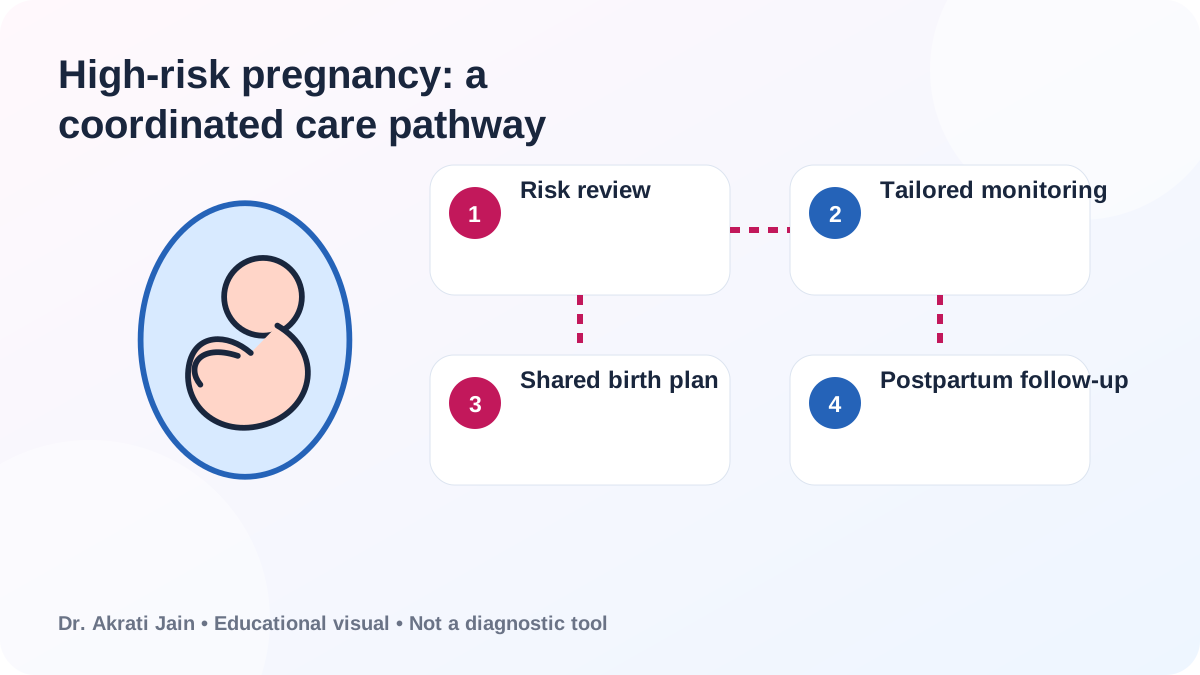
High-risk care is a tailored pathway, not a label
Risk changes over time and care plans should identify which additional monitoring or specialist input is genuinely useful.
- A first-visit risk review should cover previous pregnancies, chronic conditions, medicines, blood pressure, diabetes risk, kidney or autoimmune disease, multiple pregnancy, and social factors affecting access to care.
- Monitoring may include additional blood-pressure checks, growth scans, fetal surveillance, or maternal-fetal medicine review depending on the reason for increased risk.
- Low-dose aspirin may be recommended for people at increased preeclampsia risk, usually started between 12 and 28 weeks and ideally before 16 weeks. It should not be self-started.
- The birth and postpartum plan should be discussed before complications arise, including where to attend urgently and which symptoms require same-day assessment.

What this topic means
High-Risk Pregnancy Care can affect pregnancy planning, monitoring or birth decisions. The significance varies according to gestation, symptoms, medical history and examination findings.
How it is assessed
Assessment may include a focused history, examination, review of previous records and selected tests or imaging. Not every person needs every test.
Planning care
Care is individualised. Your clinician may discuss monitoring, symptom relief, medicines, procedures, timing of birth or referral depending on the findings and your preferences.
What specialist high-risk care should include
A named risk profile
The plan should identify the specific risks rather than applying a vague “high-risk” label. Each risk should have a surveillance action and a threshold for escalation.
Multidisciplinary planning
Maternal medicine, fetal medicine, anaesthesia, neonatology or other specialties may be involved depending on the condition. Communication matters as much as the number of appointments.
Birth and postpartum plan
The plan should cover place, timing and route of birth, medication around delivery, blood products or intensive care if relevant, and postpartum monitoring after discharge.