Gestational diabetes is high blood glucose first recognised during pregnancy. With appropriate monitoring and treatment, many pregnancies progress well.
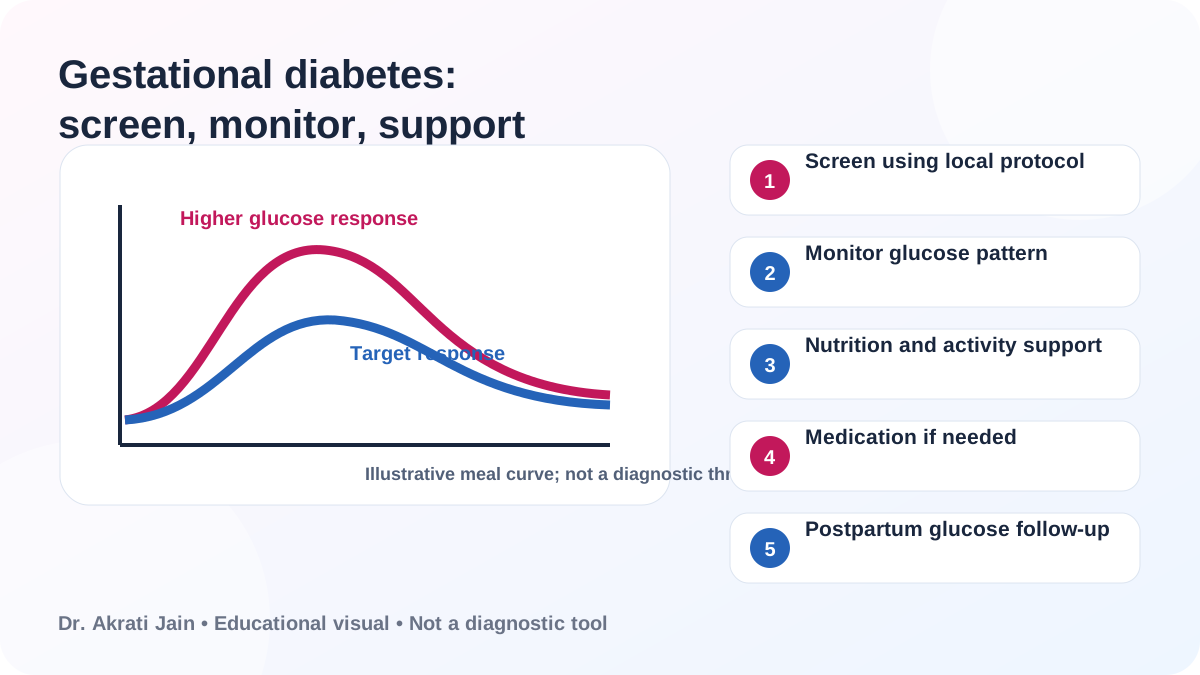
WHO 2025: coordinated care through pregnancy and after birth
Screening protocols and numerical thresholds vary by guideline and local practice; the clinical goal is timely diagnosis, safe glucose control, and postpartum follow-up.
- Gestational diabetes often has no symptoms and is detected through prenatal testing. The exact test and timing should follow the clinic or national protocol.
- Care usually combines nutrition support, appropriate physical activity, home glucose monitoring, and medication when targets are not met safely.
- Ultrasound and birth planning may be adjusted when glucose control, fetal growth, blood pressure, or other risks require closer review.
- After birth, glucose usually improves, but future type 2 diabetes risk remains higher. A postpartum glucose assessment and ongoing periodic screening are important.
Why it happens
Pregnancy hormones can make insulin less effective. Some people cannot produce enough additional insulin to keep blood glucose within the recommended range.
Gestational diabetes may occur without obvious symptoms, which is why screening is important.
How it is assessed
Assessment may include a glucose challenge or oral glucose tolerance test. People with significant risk factors may be tested earlier and retested later if the first result is normal.
Treatment and monitoring
A care plan may include meal planning, safe physical activity, home glucose checks and review of fetal growth. Medication or insulin may be advised when glucose targets are not met with lifestyle measures.
Do not change food intake drastically or start medication without clinical guidance.
After birth
Glucose often returns to the usual range after delivery, but future type 2 diabetes risk remains higher. Postpartum testing and long-term periodic screening should be discussed.
Beyond the glucose result
Monitoring is individualised
Targets, testing frequency and treatment depend on the diagnostic values, fasting pattern, fetal growth and response to nutrition or medication.
Fetal growth and delivery planning
Ultrasound growth, amniotic fluid and maternal health help guide timing and route of birth. A larger estimated baby is one factor, not an automatic indication for caesarean birth.
Postpartum prevention
Glucose should be rechecked after pregnancy, and long-term diabetes screening is important because future type 2 diabetes risk remains elevated.