Endometrial polyps are localised overgrowths of the uterine lining. They can cause bleeding between periods, heavy periods, bleeding after menopause or fertility difficulties, although some are found incidentally on ultrasound.
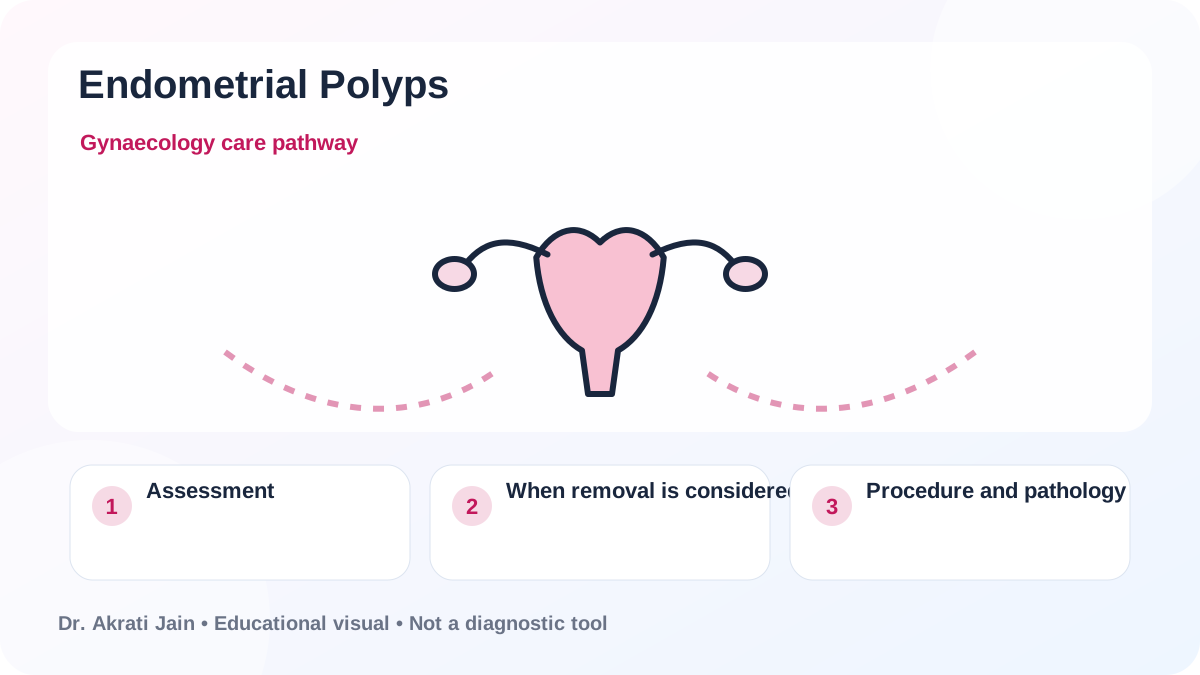
Assessment
The bleeding history, pregnancy possibility, medicines and anaemia symptoms are reviewed. Transvaginal ultrasound is often the first test. Findings can vary through the menstrual cycle, and a suspected polyp may require further cavity assessment.
When removal is considered
Hysteroscopic removal is commonly advised for symptomatic polyps, postmenopausal bleeding, infertility treatment planning or concerning features. Observation may be reasonable for selected small asymptomatic polyps after individual assessment.
Procedure and pathology
A hysteroscope allows direct visualisation and targeted removal. The tissue is sent to pathology. Most polyps are benign, but laboratory examination is important, particularly after menopause or when bleeding is persistent.
Follow-up
Bleeding response and pathology results determine next steps. Persistent symptoms may indicate another cause such as adenomyosis, fibroids, ovulatory dysfunction or endometrial disease.
Questions worth discussing at your consultation
- How certain is the scan that this is a polyp?
- Is observation safe in my situation?
- Will removal be outpatient or under anaesthesia?
- When will the pathology result be available?