An ectopic pregnancy develops outside the normal uterine cavity, most often in a fallopian tube. It cannot develop normally and may cause internal bleeding if it ruptures, so timely diagnosis and follow-up are essential.
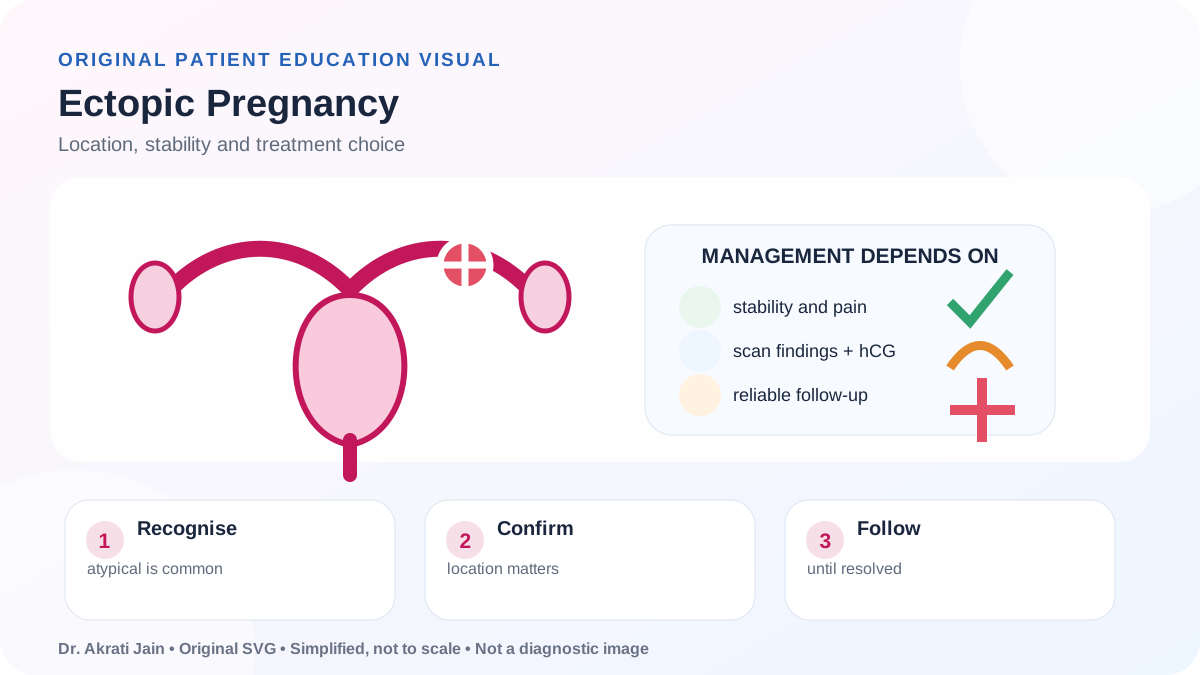
Current diagnostic and treatment pathway
NICE NG126, last updated in June 2026, stresses symptom-led review, qualified ultrasound assessment and reliable follow-up.
- A pregnancy of unknown location is not a final diagnosis. Follow-up continues until an intrauterine pregnancy, ectopic pregnancy or resolved pregnancy is established.
- Methotrexate should only be used when ectopic pregnancy is definitively diagnosed and a viable intrauterine pregnancy has been excluded.
- Significant pain, haemodynamic instability, certain scan findings, high hCG or inability to return for monitoring may make surgery the safer option.
- Future early pregnancies should be assessed promptly, particularly after a previous ectopic pregnancy.
Symptoms and risk factors
Symptoms may include one-sided pelvic pain, vaginal bleeding, shoulder-tip pain, bowel or urinary discomfort, dizziness or fainting. Some people have very few symptoms.
Risk is higher after a previous ectopic pregnancy, tubal surgery or damage, pelvic inflammatory disease, pregnancy with an intrauterine device in place, or assisted conception. Many patients have no identifiable risk factor.
How diagnosis is made
Transvaginal ultrasound looks for an intrauterine gestational sac and examines the tubes, ovaries and pelvis. A single hCG value cannot locate a pregnancy. Serial hCG trends can help guide timing of repeat assessment but must be interpreted with symptoms and scanning.
Heterotopic pregnancy—simultaneous intrauterine and ectopic pregnancy—is rare but more likely after fertility treatment, so the adnexa are still assessed even when an intrauterine pregnancy is seen.
Treatment choices
Expectant management may be suitable when the patient is stable, pain-free, hCG is low and falling, and follow-up is dependable. Methotrexate avoids surgery in selected cases but requires serial blood tests and urgent review if symptoms worsen.
Surgery is usually laparoscopic when feasible. The affected tube may be removed or opened depending on the condition of the other tube, bleeding, fertility considerations and clinical safety.
Recovery and future pregnancy
Emotional recovery may take longer than physical recovery. Follow the advised hCG monitoring and timing before trying to conceive, particularly after methotrexate.
A future pregnancy should be confirmed in the uterus with an early scan. Fertility after one ectopic pregnancy depends on age, the other tube and underlying fertility factors, not simply on whether one tube was removed.
Choosing the safest management
Stability first
Internal bleeding can be life-threatening. Unstable observations or severe pain require immediate hospital treatment.
Follow-up is part of treatment
Expectant care and methotrexate are only safe when repeat blood tests, symptom review and emergency access are reliable.
Fertility is individual
The condition of the opposite tube and the original cause of the ectopic matter more than a single operation label.