Chronic pelvic pain often has more than one contributor. Endometriosis, adenomyosis, bladder or bowel disorders, pelvic-floor muscle overactivity, nerve pain and central pain sensitisation can overlap, so repeated surgery is not always the best next step.
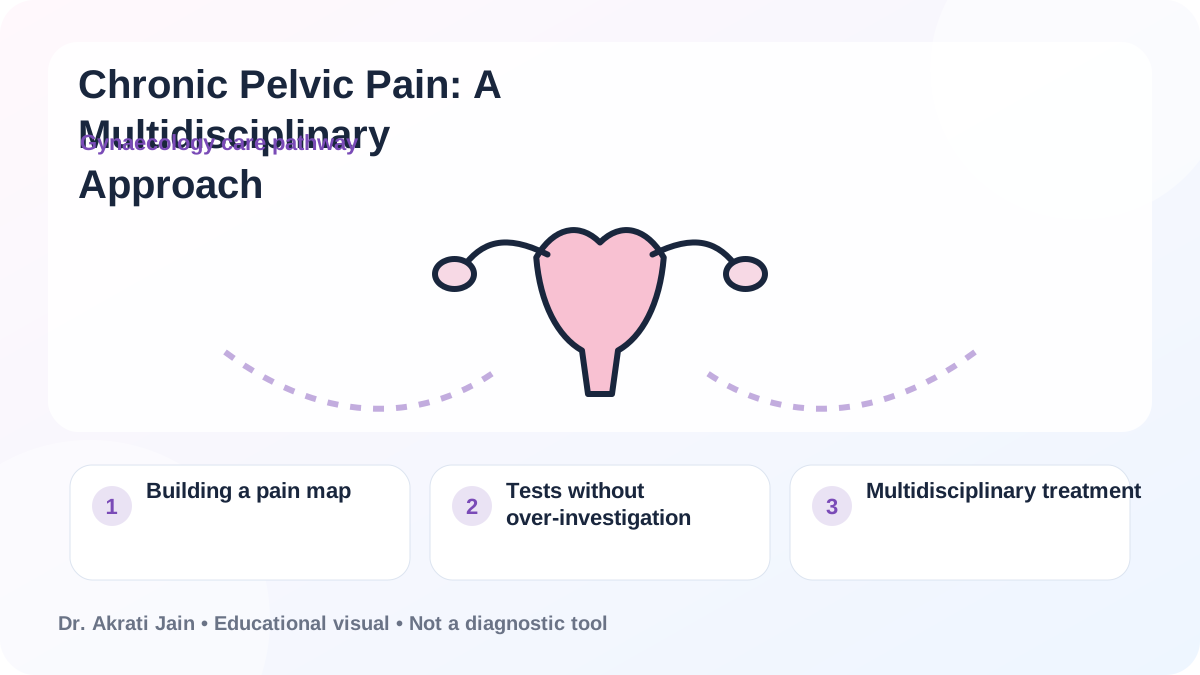
Building a pain map
The history explores location, timing, triggers, sleep, bleeding, bowel and bladder symptoms, intercourse, previous surgery and the impact on daily function. Examination may include abdomen, pelvis, pelvic-floor muscles, hips and back when appropriate.
Tests without over-investigation
Pregnancy testing, infection testing, ultrasound or MRI are selected according to symptoms. Laparoscopy can diagnose or treat some conditions but may be normal and carries surgical risk. Testing should answer a clear clinical question.
Multidisciplinary treatment
Options can include menstrual suppression, treatment of specific disease, pelvic-floor physiotherapy, bowel or bladder care, neuropathic-pain treatment, sleep support and psychological pain-management techniques. This is not because pain is “in the mind”; it addresses the whole pain system.
Measuring progress
Complete pain elimination may not be immediate. Useful outcomes include fewer severe days, better sleep, improved sexual comfort, return to work or exercise and reduced emergency visits. A written flare plan can reduce uncertainty.
Questions worth discussing at your consultation
- Which pain contributors are most likely in my case?
- What is each proposed test expected to change?
- Would pelvic-floor physiotherapy or pain-specialist input help?
- How will we measure whether the plan is working?