Cervical screening can identify high-risk HPV infection or cell changes before cancer develops. Screening and HPV vaccination are complementary preventive measures.
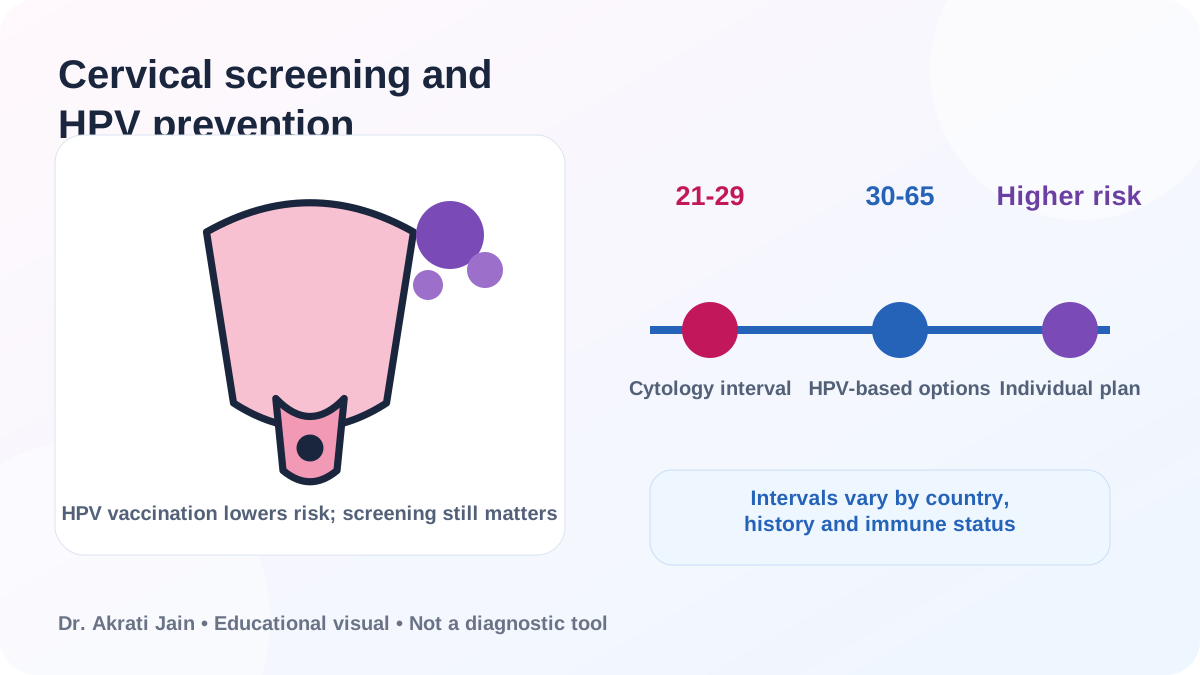
2026 screening update: HPV-based options are expanding
Screening schedules depend on age, prior results, immune status, national guidance, and the tests available locally.
- For average-risk patients in the ACOG/WPSI framework, ages 21–29 continue cytology every 3 years; ages 30–65 preferably use clinician-collected primary high-risk HPV testing every 5 years.
- Patient-collected HPV sampling is now an option in some settings for average-risk patients aged 30–65, generally every 3 years, but only through a clinician-guided pathway with reliable result follow-up.
- These intervals are a US reference and may differ from Indian or local programmes. Immunocompromise, previous abnormal results, DES exposure, and treatment history need individual schedules.
- HPV vaccination prevents many high-risk infections but does not replace screening.
What screening checks
A Pap test looks for abnormal cervical cells. An HPV test checks for high-risk HPV types associated with cervical cancer. The sample is collected from the cervix during a speculum examination.
The recommended starting age, test and interval vary by national guidance, age, immune status and previous results.
HPV vaccination
HPV vaccination reduces the risk of infection with important cancer-associated HPV types. Vaccinated people still need screening according to applicable guidance because vaccination does not cover every high-risk type.
Understanding an abnormal result
An abnormal screening result does not automatically mean cancer. Many HPV infections clear, while some cell changes require repeat testing, colposcopy or treatment according to the level of risk.
Symptoms still need evaluation
Screening is for people without symptoms. Bleeding after sex, persistent unusual discharge, bleeding between periods or postmenopausal bleeding should be evaluated even if a recent screening test was normal.