Recovery after caesarean birth is recovery from major abdominal surgery while caring for a newborn. Progress is individual: safe movement and effective pain relief support healing, while rigid calendar rules are less useful than symptoms and function.
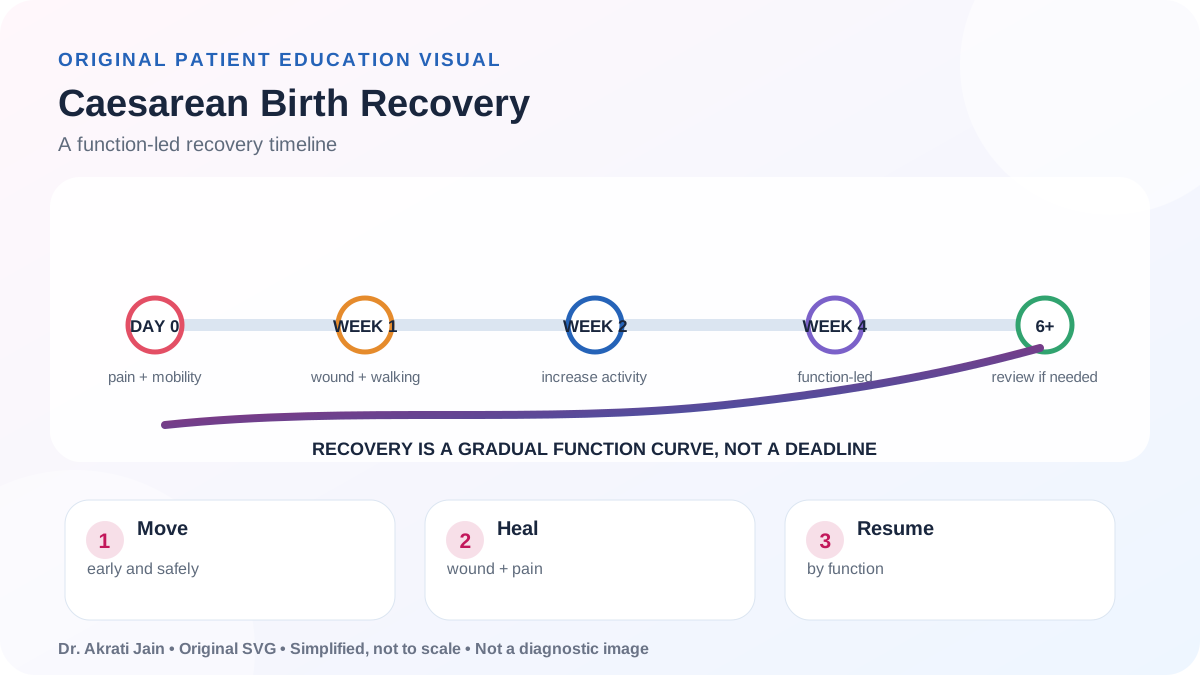
NICE NG192 recovery guidance, updated June 2025
NICE recommends individualised recovery advice rather than a fixed six-week prohibition on normal activities.
- Patients recovering well without complications can often eat and drink normally and may be discharged after about 24 hours with appropriate home follow-up.
- The urinary catheter is removed after mobility returns and at an appropriate interval after regional anaesthetic top-ups.
- Driving, exercise, lifting and intercourse can resume when the patient feels fully recovered from pain and physical restriction and can perform the activity safely.
- After an unplanned caesarean, patients should be offered an explanation of why it occurred and information about future birth options.
First 24–48 hours
Monitoring includes bleeding, blood pressure, pulse, pain, urine output and anaesthetic recovery. Skin-to-skin and breastfeeding support should be offered when desired and clinically possible.
Gentle leg movement and supported mobilisation begin early. Some patients need anticoagulant injections or compression stockings based on thrombosis risk.
Pain, bowel and wound care
Use the prescribed pain plan consistently rather than waiting for severe pain. Breastfeeding-compatible options are selected; opioid medicines should be the lowest effective dose for the shortest time.
Keep the wound clean and dry according to local instructions. Constipation, trapped wind and cough pain are common; hydration, movement and bowel medication may help.
Activity progression
Start with short walks and daily tasks. Increase distance and intensity gradually if pain and bleeding do not worsen. Avoid lifting heavier than the baby early on when possible, but decisions are guided by control and comfort rather than an arbitrary date.
Driving requires being able to sit comfortably, wear a seat belt, turn, brake hard and perform an emergency stop without hesitation, as well as meeting insurer requirements.
Emotional recovery and follow-up
An emergency caesarean can be experienced as frightening or disappointing. Request a birth debrief if the events are unclear. Persistent intrusive memories, panic, low mood or inability to sleep even when the baby sleeps deserve support.
Follow-up should address wound healing, anaemia, blood pressure, contraception, pelvic-floor symptoms and planning for future pregnancy.
Recovery by function, not a stopwatch
Move safely
Short frequent walks and clot prevention begin early; increase activity gradually.
Control pain
Pain relief should enable deep breathing, mobility and infant care—not leave the patient sedated or suffering.
Watch the wound and whole body
Infection, haemorrhage and thrombosis can present beyond the incision itself.