Adenomyosis occurs when tissue similar to the uterine lining is present within the muscle of the uterus. It may cause heavy bleeding, painful periods, pelvic pressure or no symptoms, and it can coexist with fibroids or endometriosis.
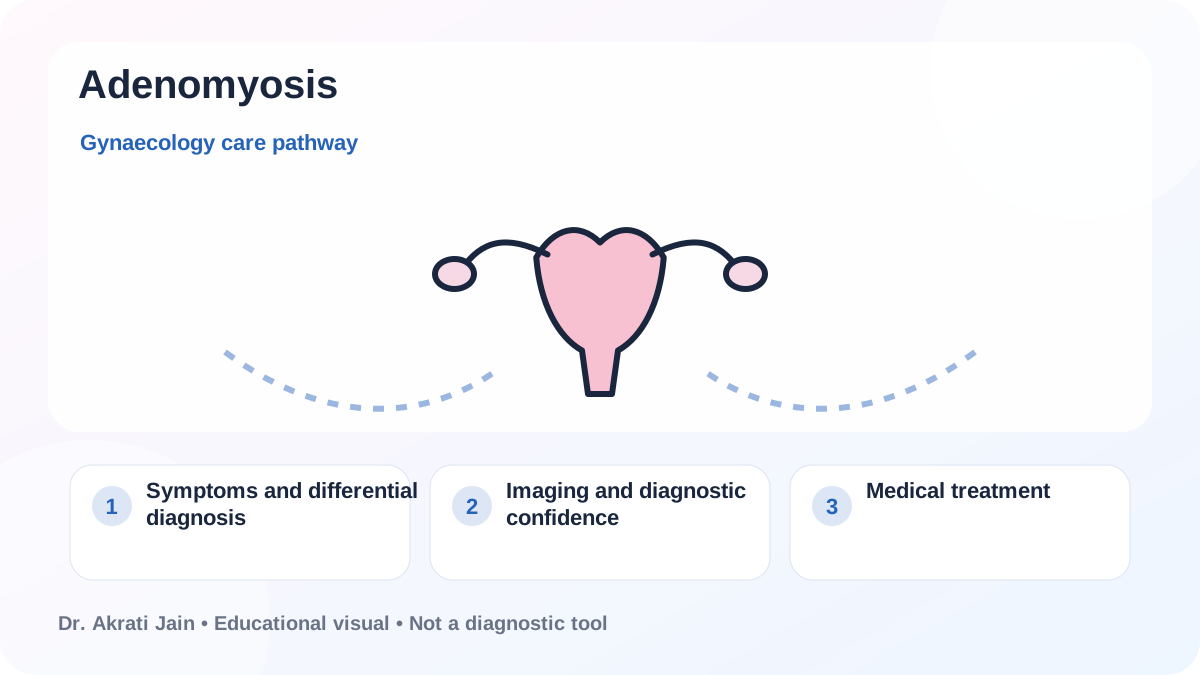
Symptoms and differential diagnosis
Heavy or prolonged periods, severe cramping, pelvic pressure and pain during sex may occur. Clinicians also assess for fibroids, endometriosis, bleeding disorders, thyroid disease and endometrial pathology.
Imaging and diagnostic confidence
Transvaginal ultrasound can identify features suggestive of adenomyosis. MRI can add detail in selected cases. No imaging test is perfect, so findings must be interpreted with symptoms and examination.
Medical treatment
Options may include anti-inflammatory pain relief, medicines that reduce bleeding, hormonal contraception, progestogen therapy or a hormone-releasing intrauterine system when suitable. Response and side effects should be reviewed rather than treatment continuing indefinitely without reassessment.
Procedural and surgical choices
Uterine-sparing procedures may be considered in selected settings, but evidence and fertility implications vary. Hysterectomy is definitive for uterine adenomyosis when symptoms are severe and future pregnancy is not desired. Decisions should include recovery time and alternatives.
Questions worth discussing at your consultation
- Do the scan findings explain my symptoms?
- Could fibroids or endometriosis also be present?
- Which options preserve fertility or the uterus?
- How will we judge whether treatment is working?