Abnormal uterine bleeding describes bleeding that differs from a person’s usual pattern in timing, frequency, duration or amount. The cause may be hormonal, structural, pregnancy-related, medication-related or systemic.
A structured evaluation: stabilise first, then identify the cause
Abnormal bleeding is a symptom with many possible causes; treatment should not begin with assumptions.
- Urgent assessment is needed for rapid pad soaking with dizziness, breathlessness, chest pain, fainting, or suspected pregnancy.
- Initial evaluation commonly includes pregnancy testing when relevant, a blood count for anaemia, medication review, bleeding history, and pelvic assessment.
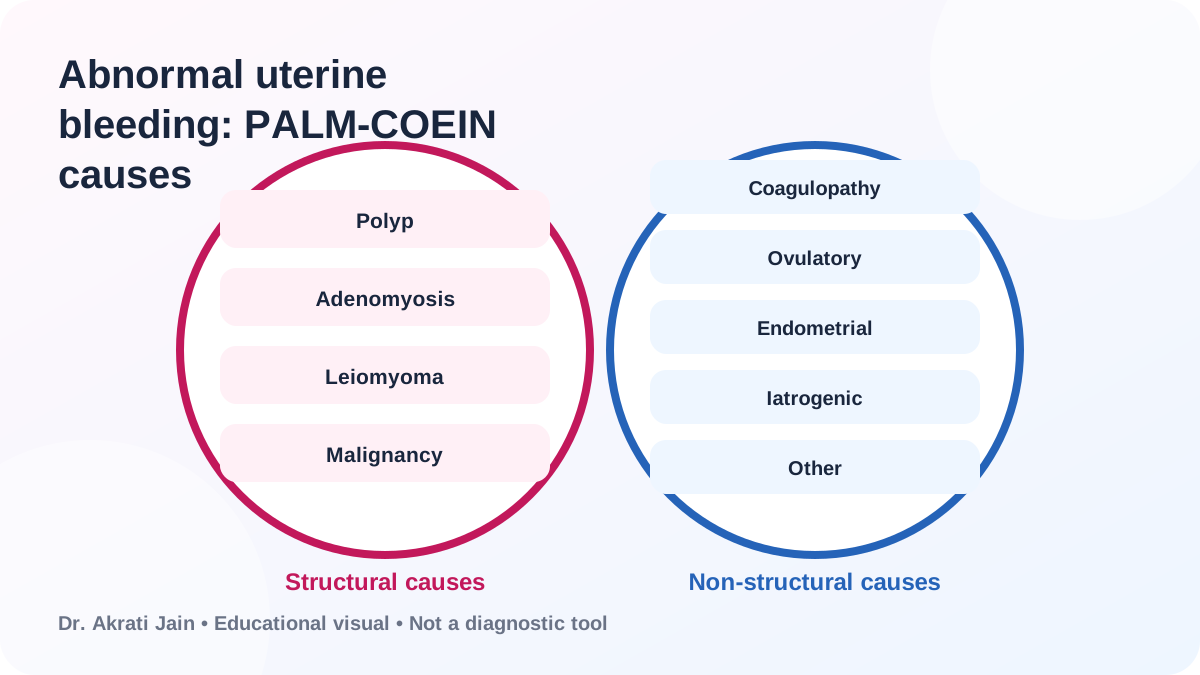
- Structural causes include polyps, adenomyosis, fibroids, and malignancy or precancer; non-structural causes include ovulatory dysfunction, clotting disorders, endometrial causes, medicines, and other conditions.
- Ultrasound, hysteroscopy, sonohysterography, or endometrial sampling may be selected according to age, risk factors, symptoms, examination, and fertility plans.
Patterns to discuss
Examples include very heavy periods, bleeding lasting longer than usual, cycles that are very close together or far apart, bleeding between periods, bleeding after sex, or any bleeding after menopause.
Keep a simple diary of dates, flow, clots, pain and associated symptoms.
Possible causes
Causes include ovulatory or hormonal changes, PCOS, fibroids, polyps, adenomyosis, pregnancy-related conditions, thyroid or bleeding disorders, medicines, infection and less commonly precancerous or cancerous change.
The likelihood of each cause depends on age and clinical context.
Evaluation
Assessment may include a pregnancy test, blood count, examination, ultrasound and targeted blood tests. Endometrial sampling or hysteroscopy may be recommended depending on age, bleeding pattern, ultrasound findings and risk factors.
Treatment
Options may include iron replacement, non-hormonal or hormonal medication, an intrauterine system, hysteroscopic treatment or surgery. The plan should reflect diagnosis, severity, contraception needs and fertility goals.
A structured bleeding assessment
Classifying the cause
Doctors separate structural causes such as polyps, adenomyosis and fibroids from non-structural causes such as ovulatory dysfunction, bleeding disorders, medication effects and endometrial dysfunction.
Testing should match risk
Pregnancy testing, blood count, thyroid testing, ultrasound, hysteroscopy or endometrial sampling are chosen according to age, pattern, anaemia, examination and risk factors.
Treat the impact as well as the cause
A plan should address iron deficiency, pain, work disruption and quality of life while the diagnostic pathway continues.